A Short message via Facebook confirmed today my reception of Radio Antares on 1650 on January 31, 2009 during the LEM274 pedition.
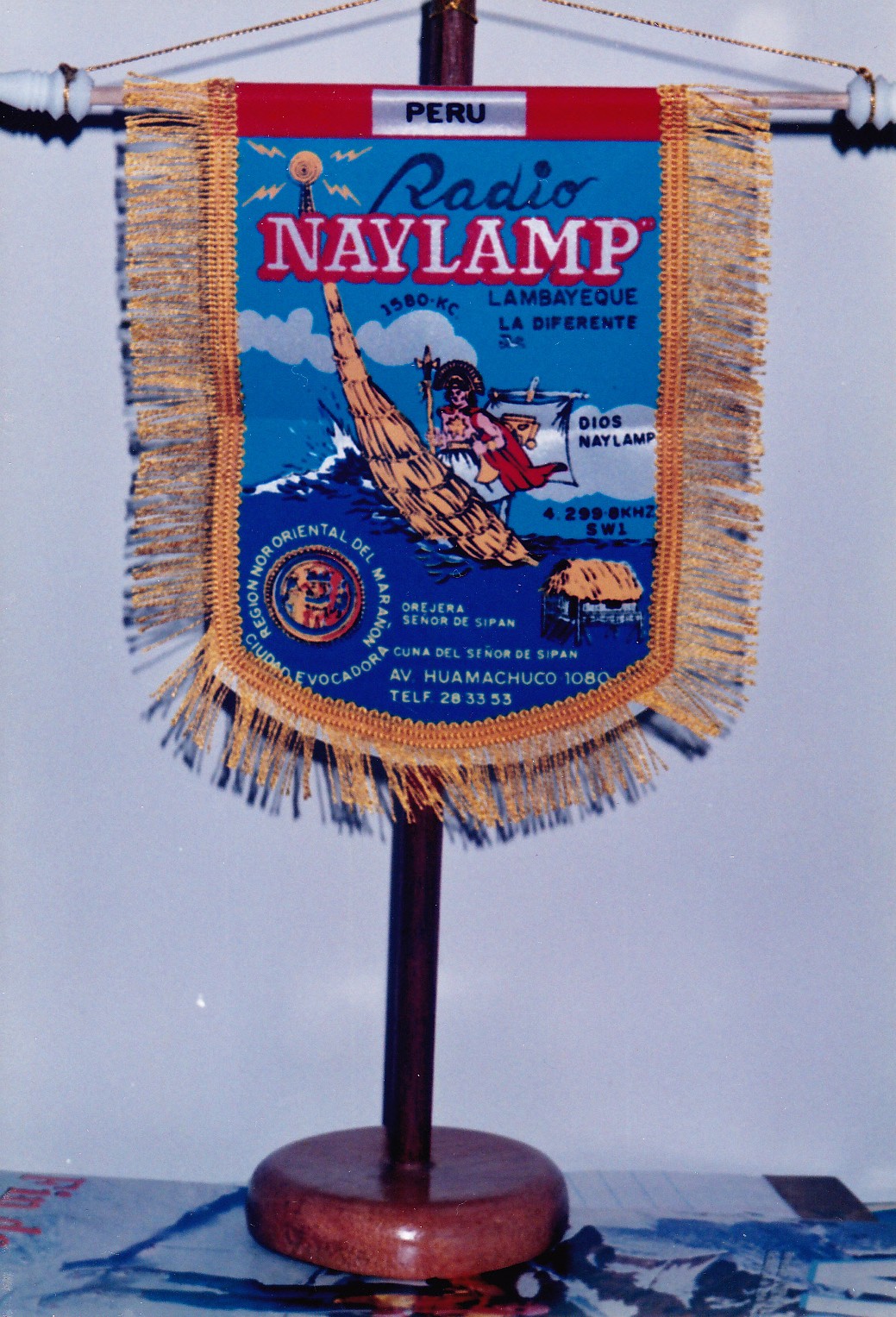
Feliz 25 Aniversario. Con motivo de las bodas de plata de Radio Naylamp enviamos nuestras felicitaciones para el dr. Juan José Grández Vargas, gerente general de la emisora.
(Courtesy Henrik Klemetz)
The peruvian station Radio Naylamp is celebrating it’s 25th Anniversary later this year! The station was pretty frequently heard in Scandinavia during the 90’s on a variety of odd frequencies (see HK’s comments below) during good openings towards Peru. R Naylamp is transmitting from Lambayeque in the Lambayeque region in nortwestern Peru. The region is bordered by the Piura Region on the north, the Cajamarca Region on the southeast, the La Libertad Region on the south and the Pacific Ocean on the west. The name Lambayeque is a Spanish derivation of the god Yampellec, said to have been worshipped by the first Lambayeque king, Naylamp.
————————————
Says Henrik Klemetz: “Dr. Juan José Grández Vargas, an obstetrician, is the general manager of this friendly station which will be celebrating its 25th anniversary on November 7, 2012. See www.radionaylamp.com. Naylamp (pronounced as “nailán” in Spanish) is a mythological figure, thought to have founded the kingdom of Sicán in the 9th C. He disembarked on the shores of what is now the Peruvian department of Lambayeque. There are many representations of Naylamp and his totora raft (which inspired the Norwegian explorer Thor Heyerdahl to undertake his voyages on the Pacific), one of which can be seen on the splendid station pennant.

Radio Visión, Chiclayo can be heard every now and then on 4790v in the 60 m.b. One of the last peruvian stations left on shortwaves that used to host hundreds of them some 20 years ago! Times changes indeed.
An email was received today from Iglesia Pentecostal La Cosecha confirming my report from April 2012.
This Old stuff post is intended to wake up some memories of the past, when LA-DX on shortwaves comprised the gold mine for listeners.
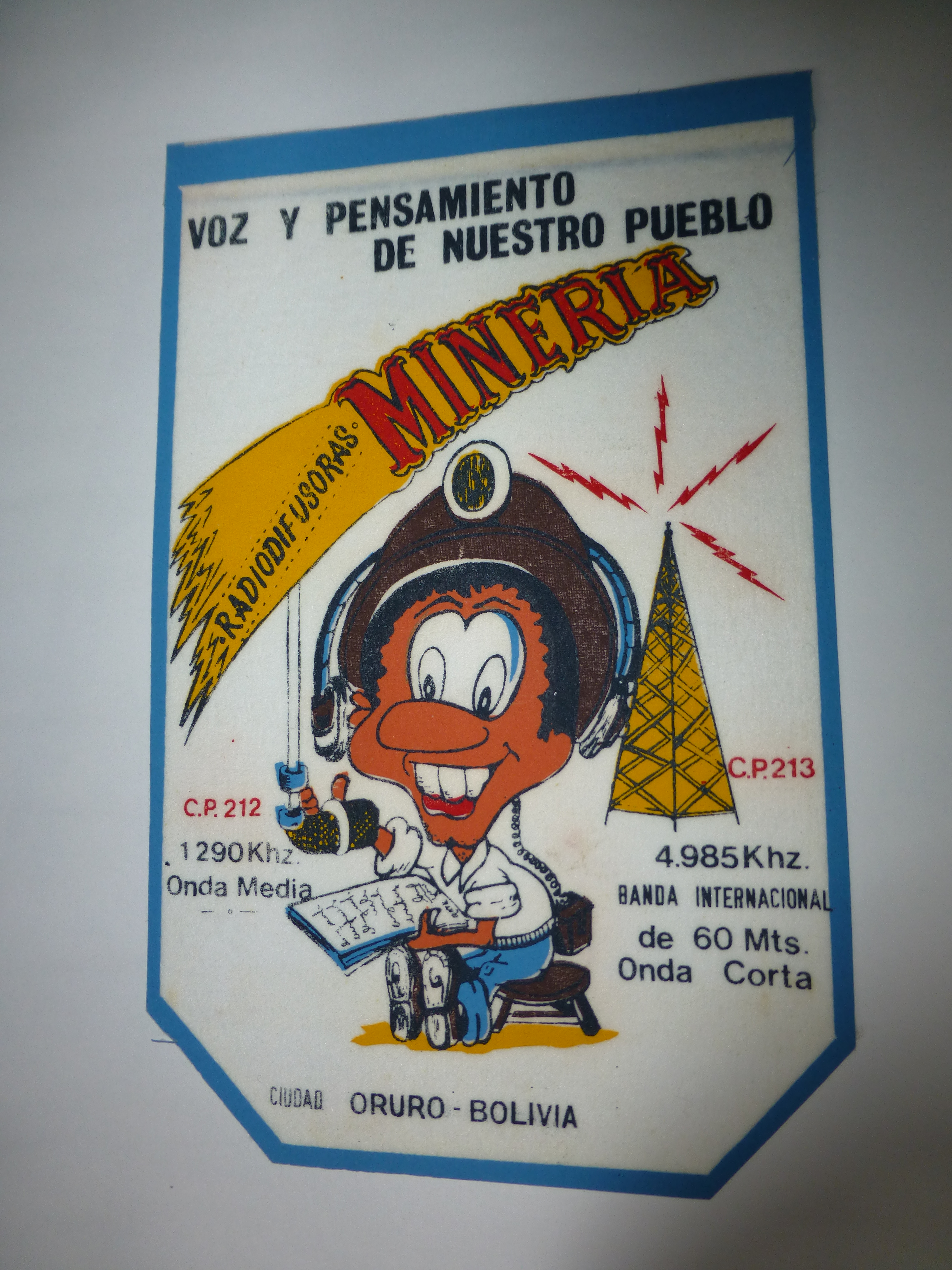
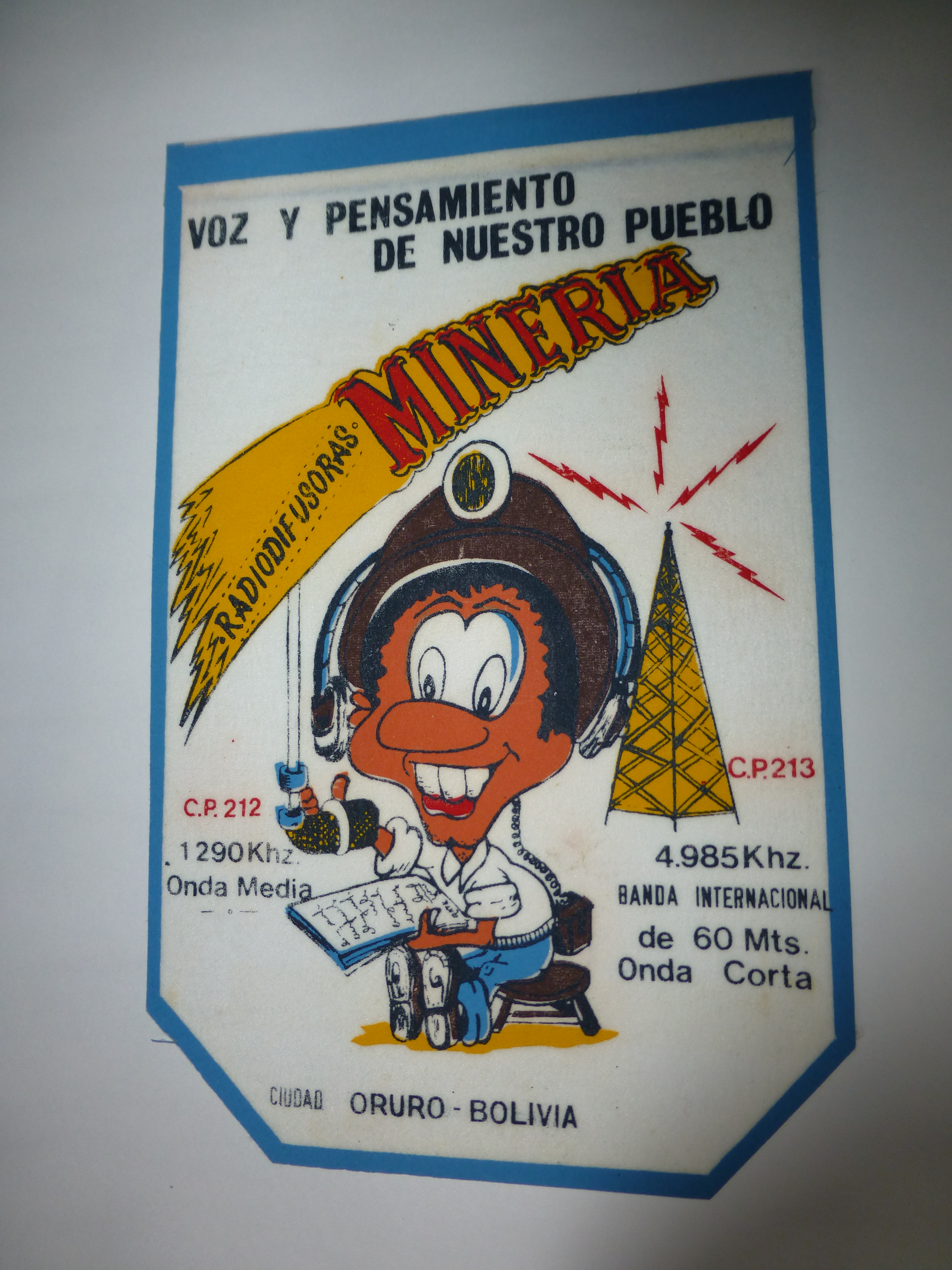
In late May 1990 very good conditions towards especially Bolivia in the 90, 60 and 49 meter bands shortwave was observed here in Finland. An andinian station was unexpectedly heard on 4981.5v kHz, between Ecos del Torbes, Venezuela on 4980 and R Brasil Central, Brasil on 4985 kHz with rather good signal strength. I got the ID “Radiodifusoras Minería” on May 19, 1990 but, according to WRTH 1990 this station, officially listed on 4985, should have been inactive at that time. The first logging of this station in Finland was done one day earlier, on May 18, 1990 by Ilkka Suni (IS).
In order to confirm the logging, I called Henrik Klemetz (HK) in Umeå, Sweden and discussed the matter and I also sent him a recording of the logging. This was the first connection to HK since I started DXing in 1963 and since then we have, should I say, been in very close contact digging into the mysteries of Latin American DXing. Henrik has been instrumental in solving a huge number of so called unidentified loggings, not only for me, but for very many DXers all around the world due to his excellent knowledge of Latin American radio, his deep knowledge in the Spanish language and being a DX-listener himself.
On May 24, 1990 HK called up Radiodifusoras Mineria in Oruro, Bolivia and had a chat with Sr. Wilfredo Navarro in the middle of a transmission so HK’s phone call was aired all over the Altiplanos. Please listen to the conversation on the below audio mp3:
Radio Difusoras Mineria_HK_24.5.1991
Resulting from HK’s call was a very nice QSL-letter from Dr. José Carlos G´mez Espinoza, Gerente y Director General de Radiodifusoras Mineria who also included a very nice pennant and other materials of this re-activated “new” bolivian.
NOTE from Henrik Klemetz: Radio Minería has been off the air for several years, both on SW and MW, says Angel Oquendo, who is from Oruro. Wilfredo Navarro Amurrio passed away in June 2001.

Radio El Valle was heard in Lemmenjoki in February 2010 on 640. The first station from Argentina I have heard on 640.
The frequency does not hold too many stations from South America. However, in Scandinavia we have over the years caught at least RCN Santa Marta, Colombia; R Ciudadena, Quito, Ecuador; Morena AM, Guayaquil, Ecuador; Actualidad 640 (former Ondas Portenas) Puerto La Cruz, Venezuela.In addition the brazilians R Globo, Natal, RN and R. Bandeirantes, Porto Alegre, RS. The last mentioned the dominant during cx towards La Plata and Puerto La Cruz the dominant during cx towards Orinoco. In addition Guadaloupe and R Progreso, Cuba are commonly heard here.
Radio El Valle’s Socio-Gerente Jorge Cozzi answered the email below and included a couple of very nice photos.
——————————-
“Estimado amigo Jan-Erik,

This is the last story about pennants from Latin American radio stations from my collection. Hope you have enjoyed it although the quality of the pictures could have been more professional. Nostalgia after all – as Ole Forr so kindly commented.
The stations presented below are; R Oriental 770; R Carve 850; R Paysandú 1240; R Maldonado 1560; R San Carlos 1510; R Charitas 6110; R Chaco Boreal 1330; R Concepción 1380v; R Arequipa 5948; R Huancayo 1470; R Quillabamba 5025; R Tacna 9404; R Frequencia Lider 4418; R Frontera 4760; Ecos del Torbes 4980;


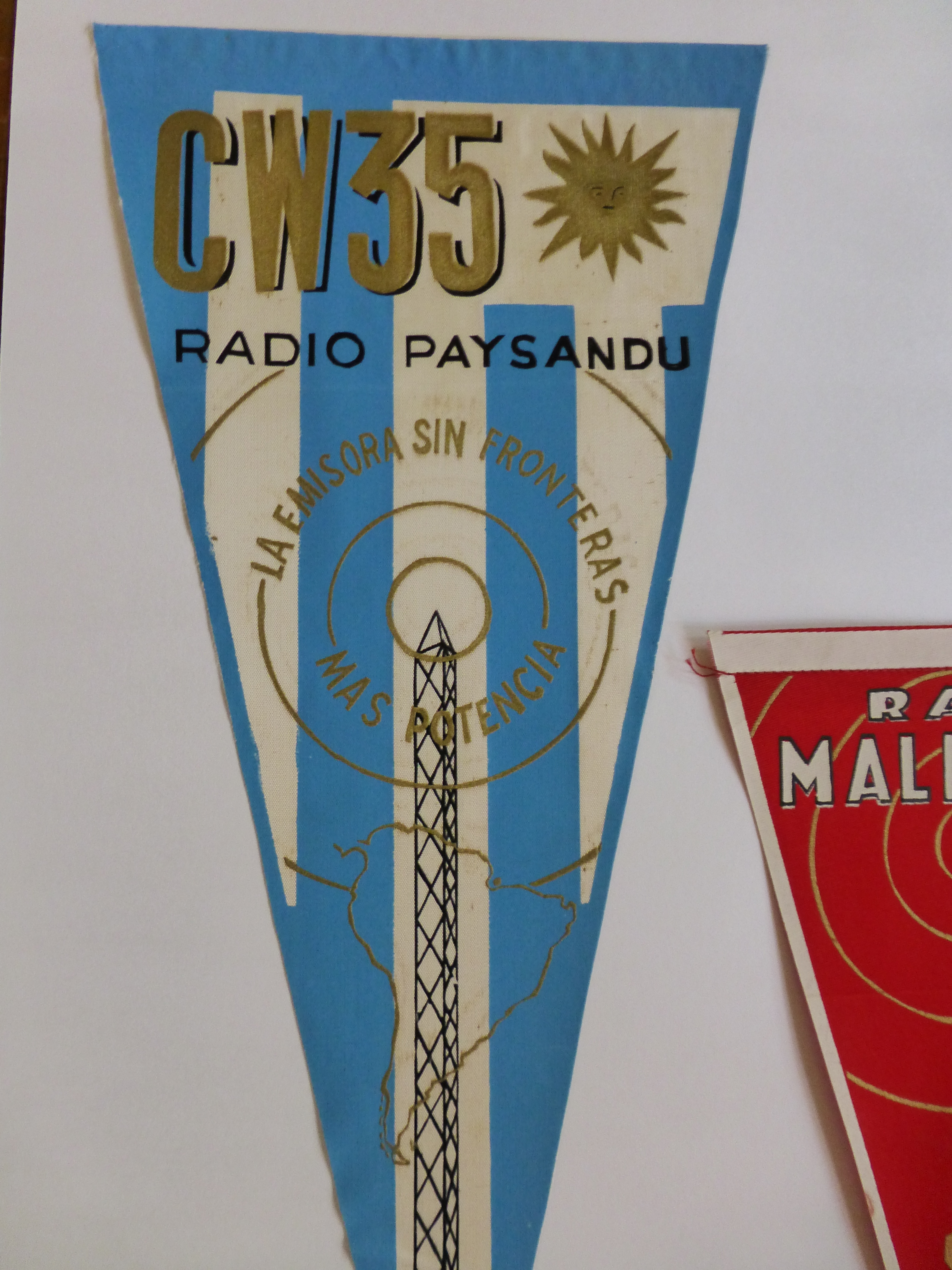
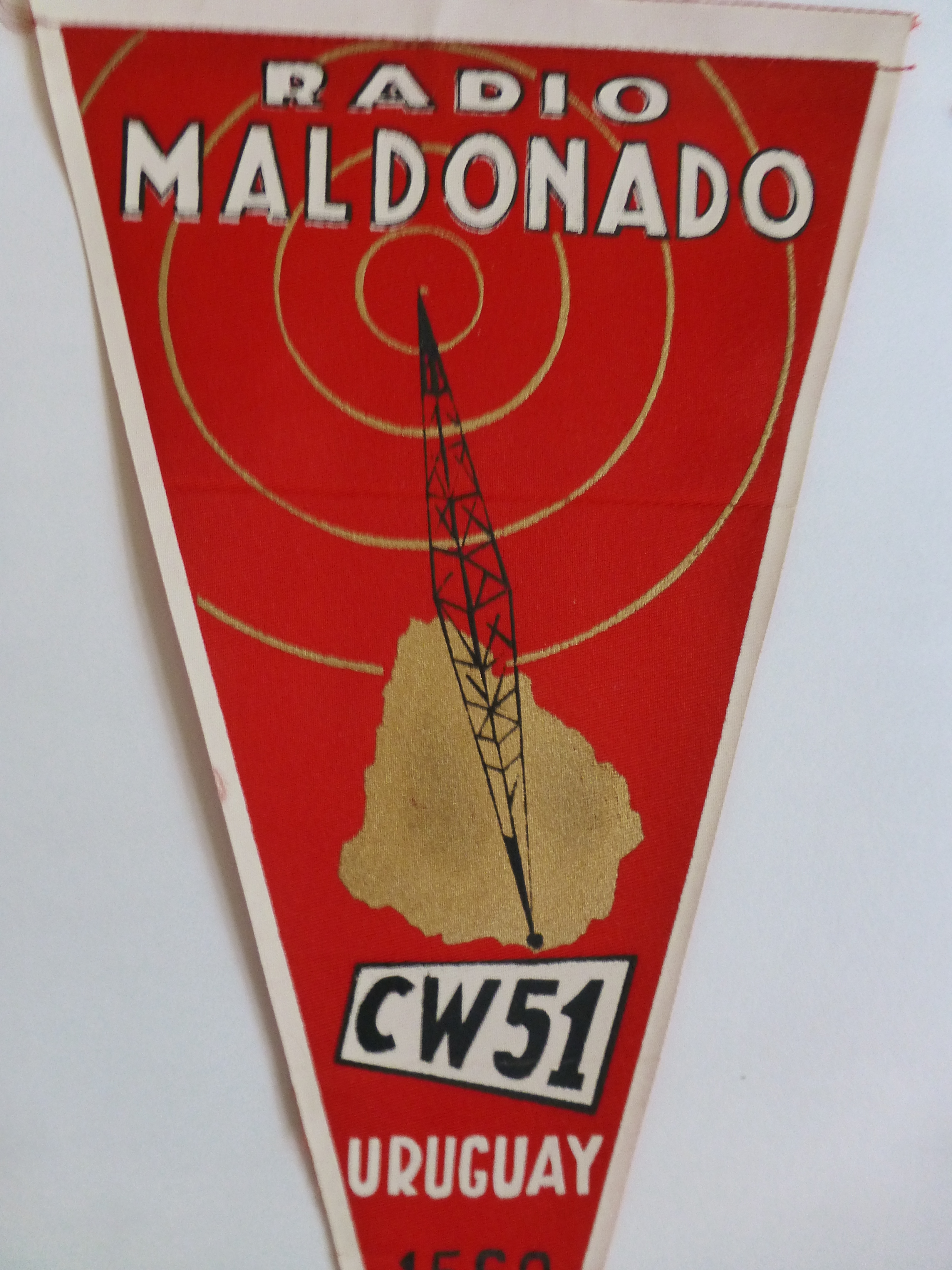
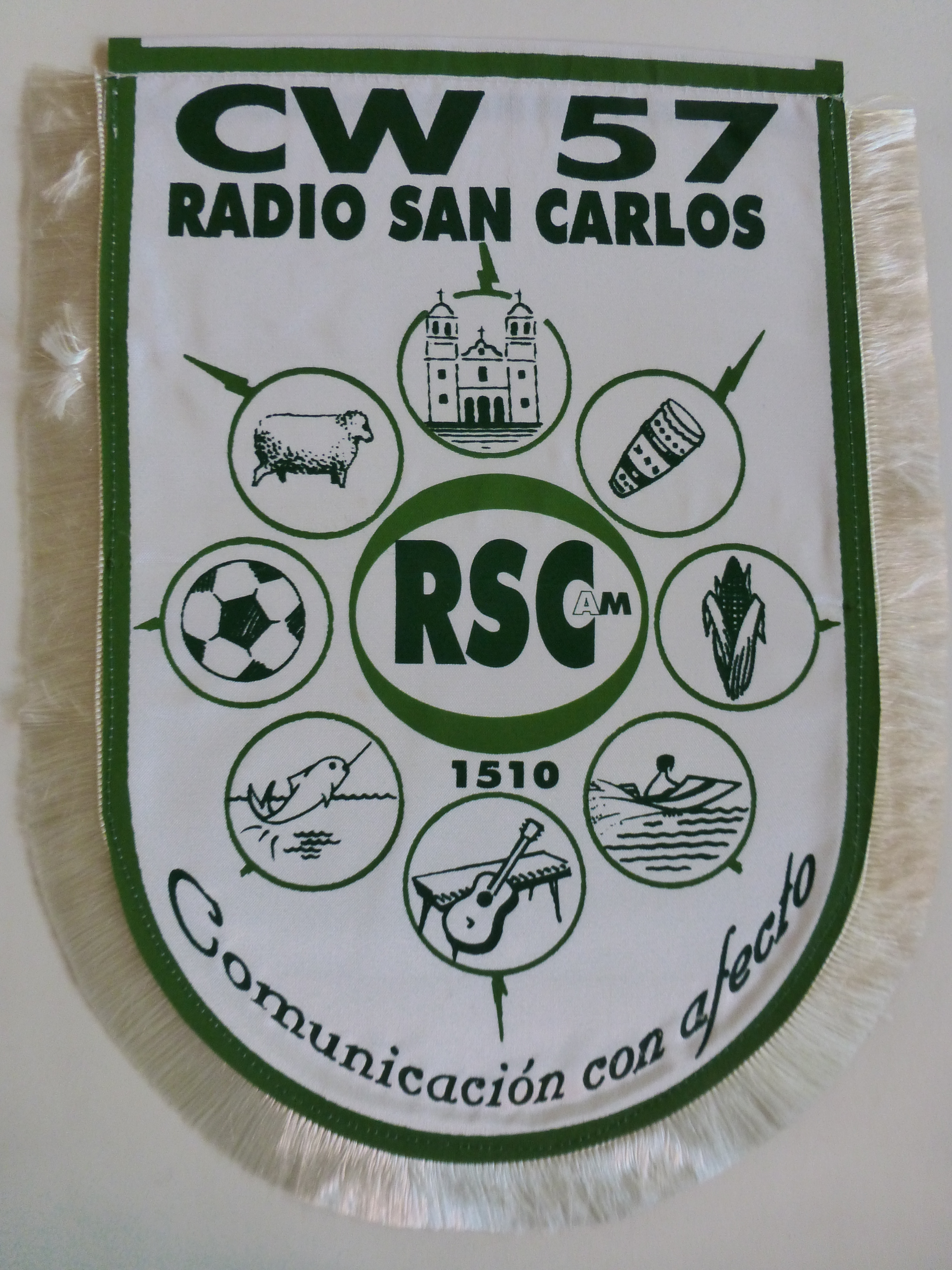
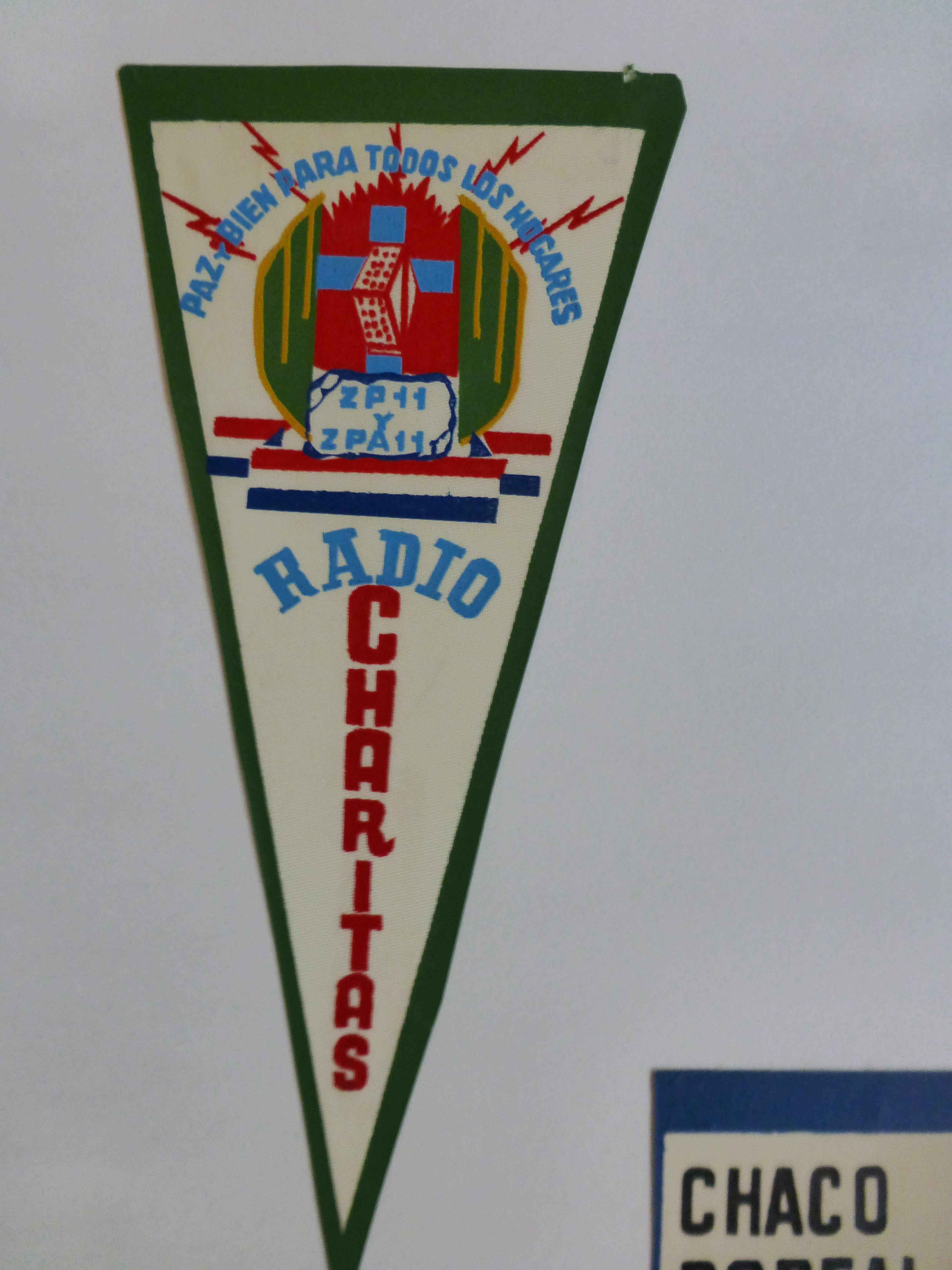

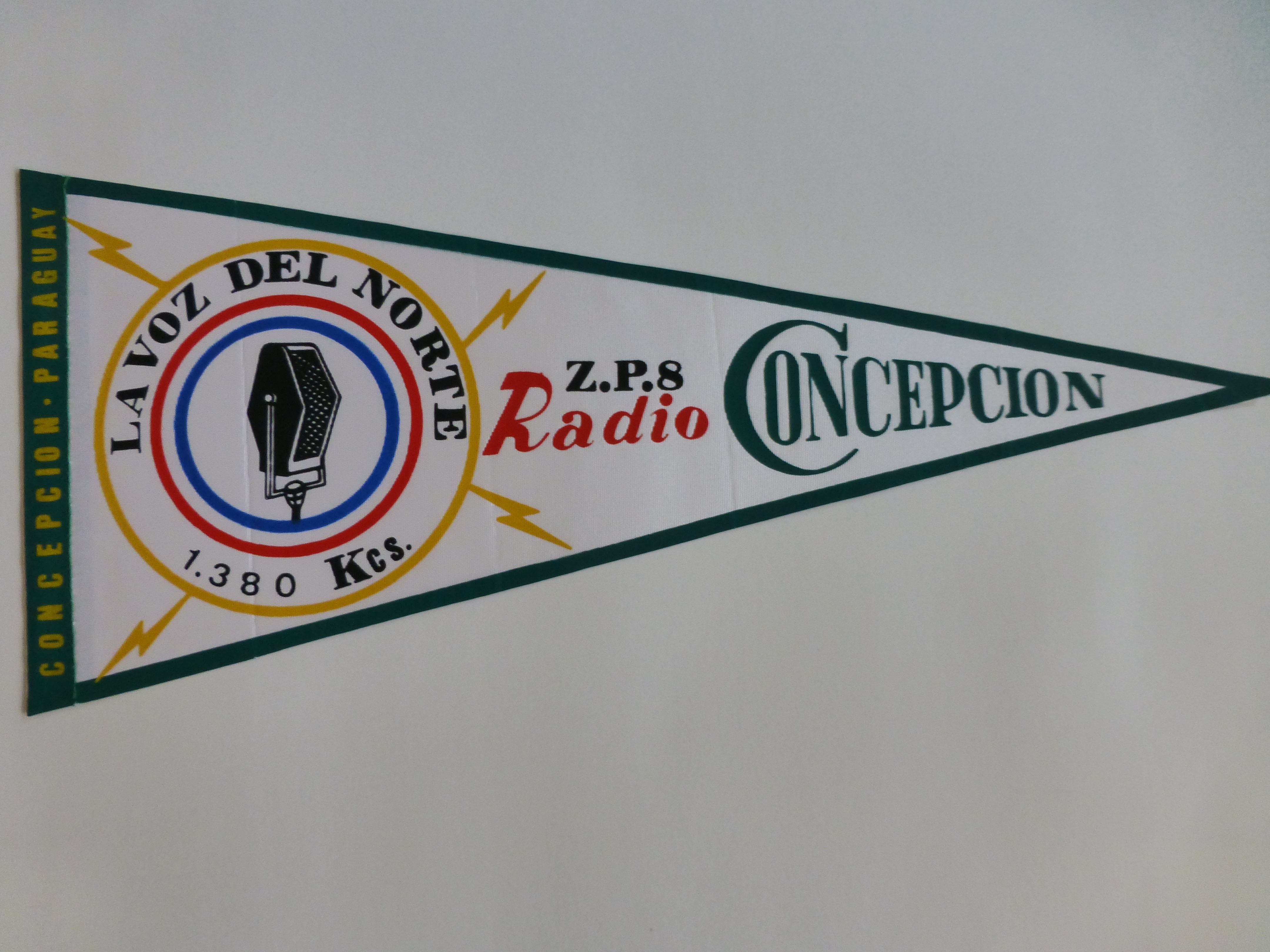


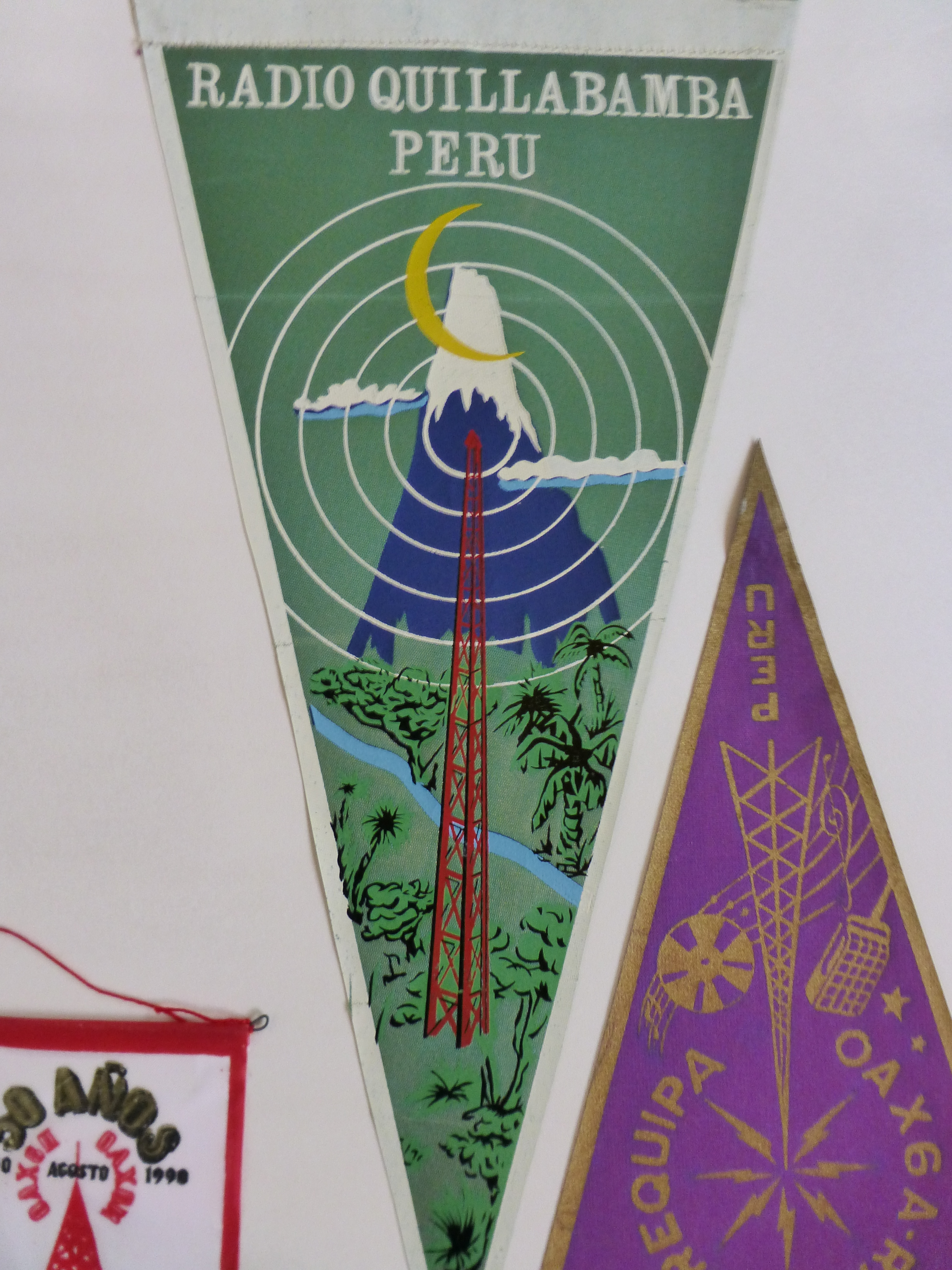


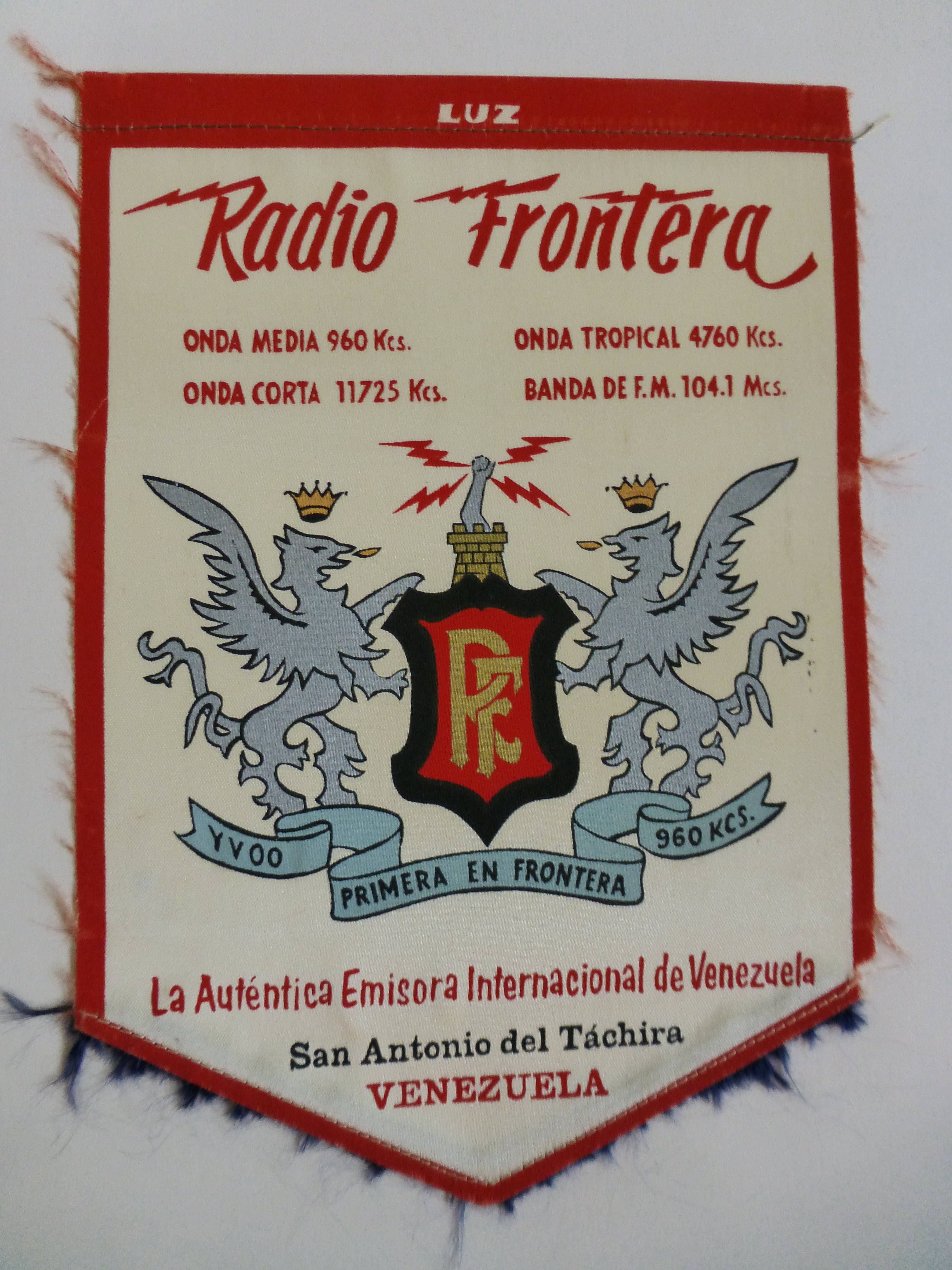
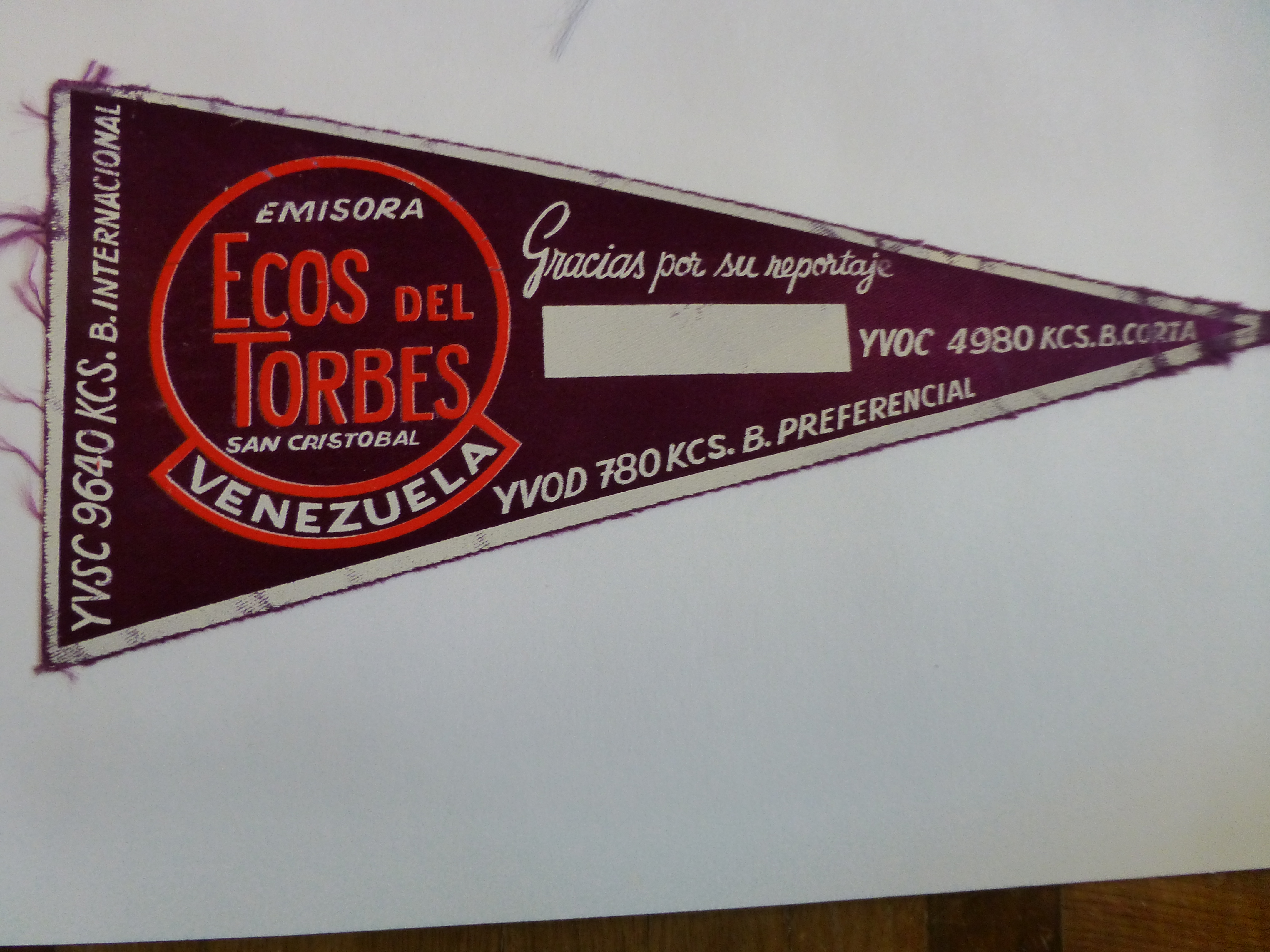
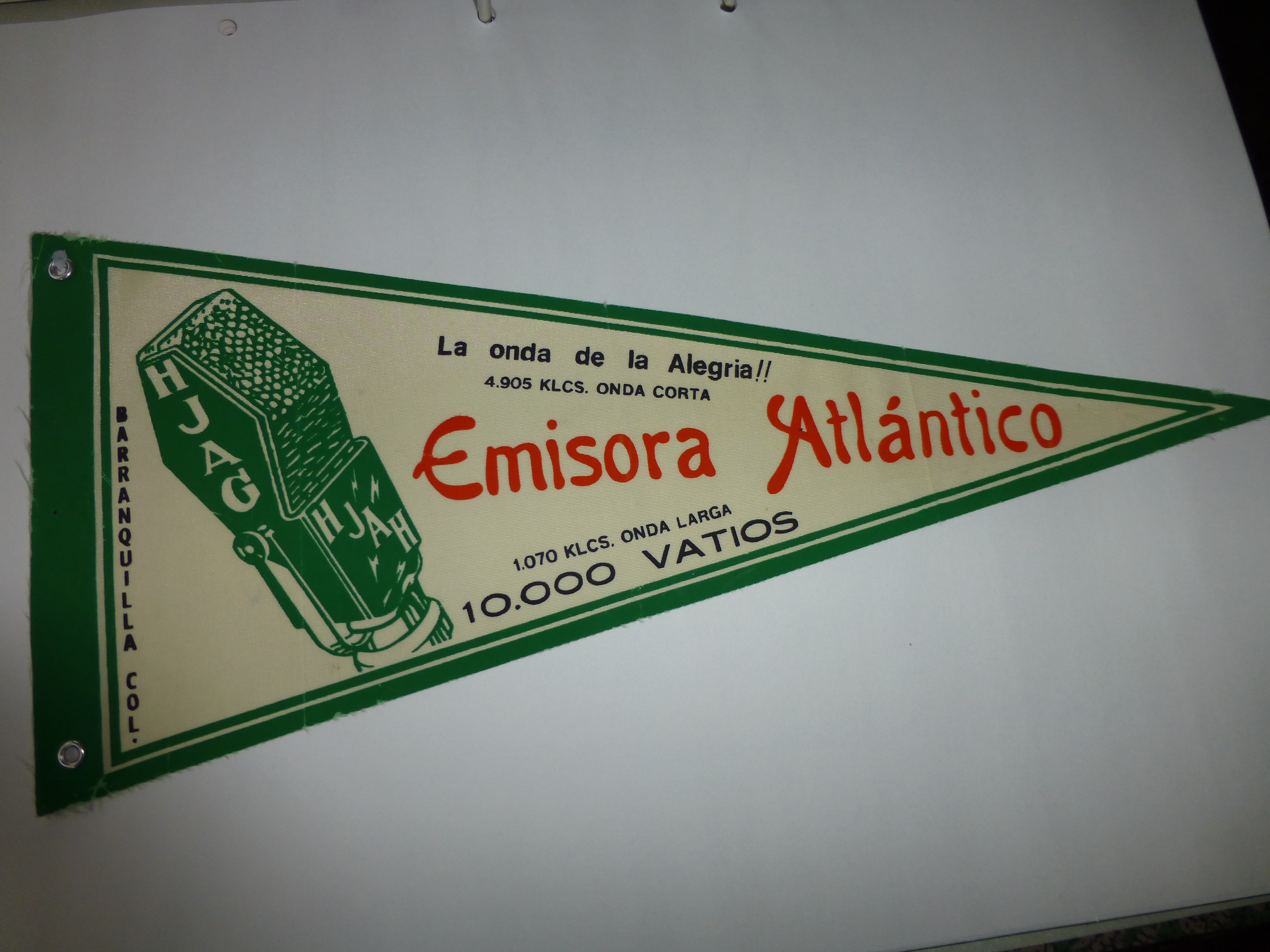
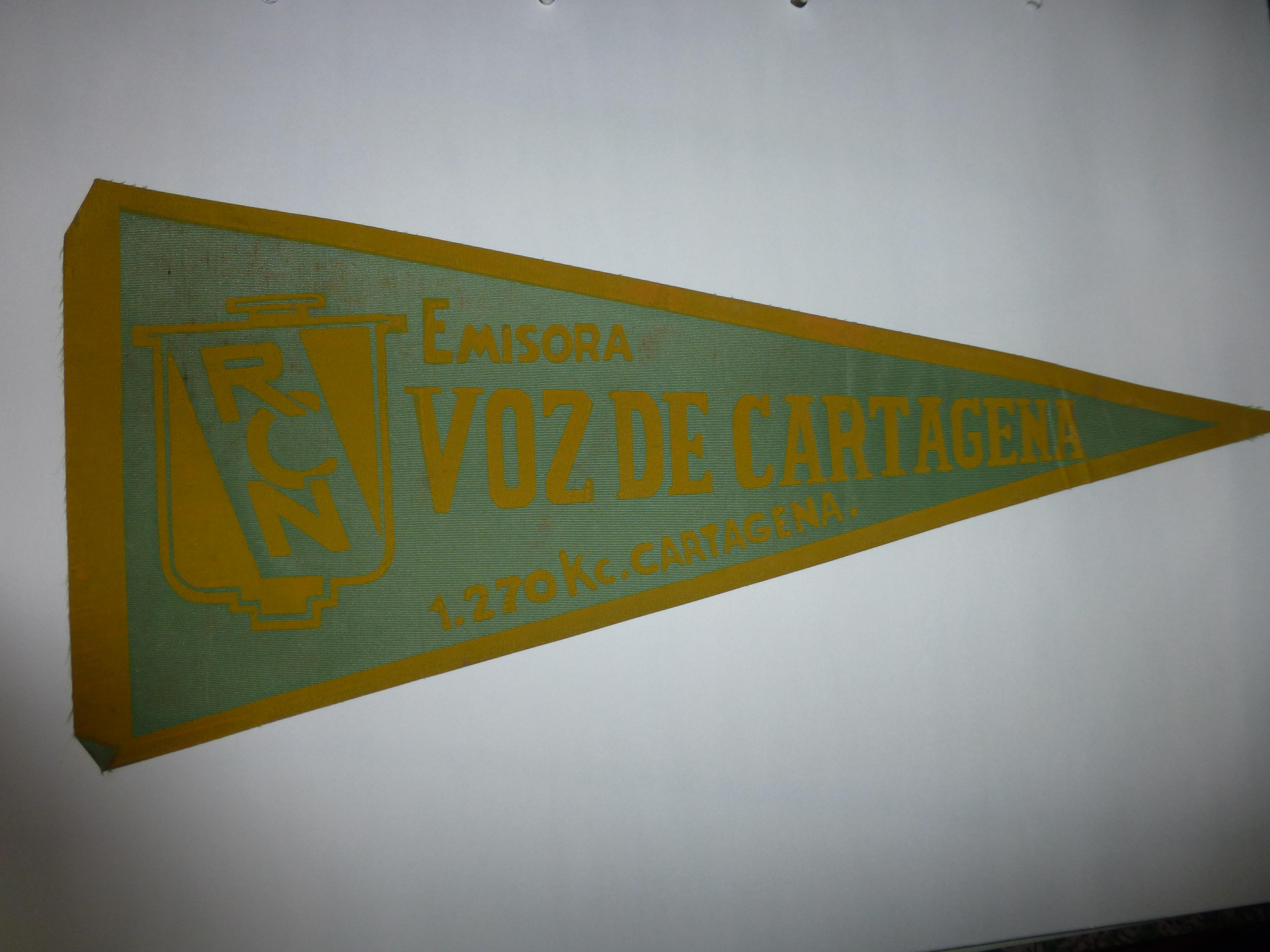
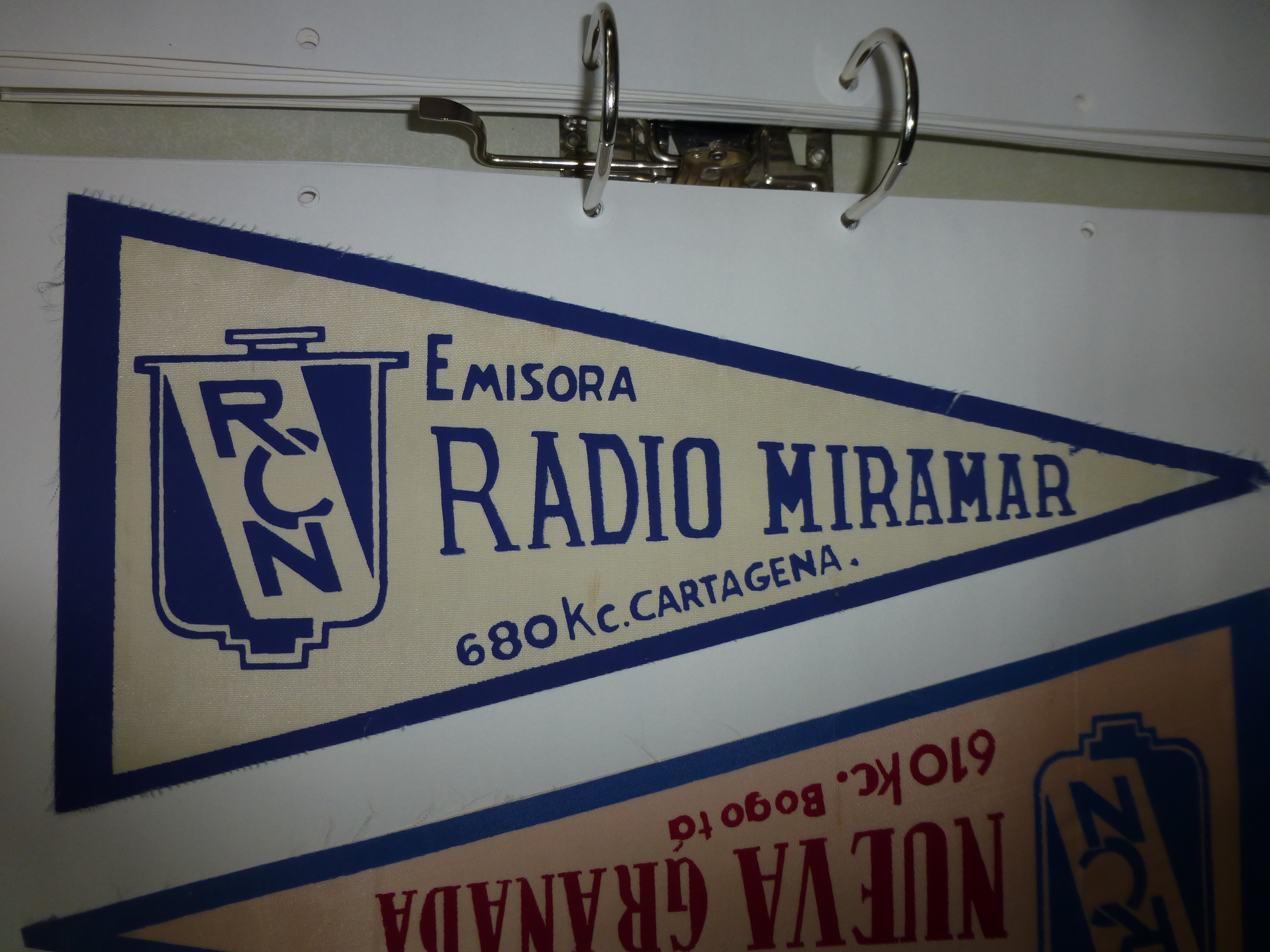
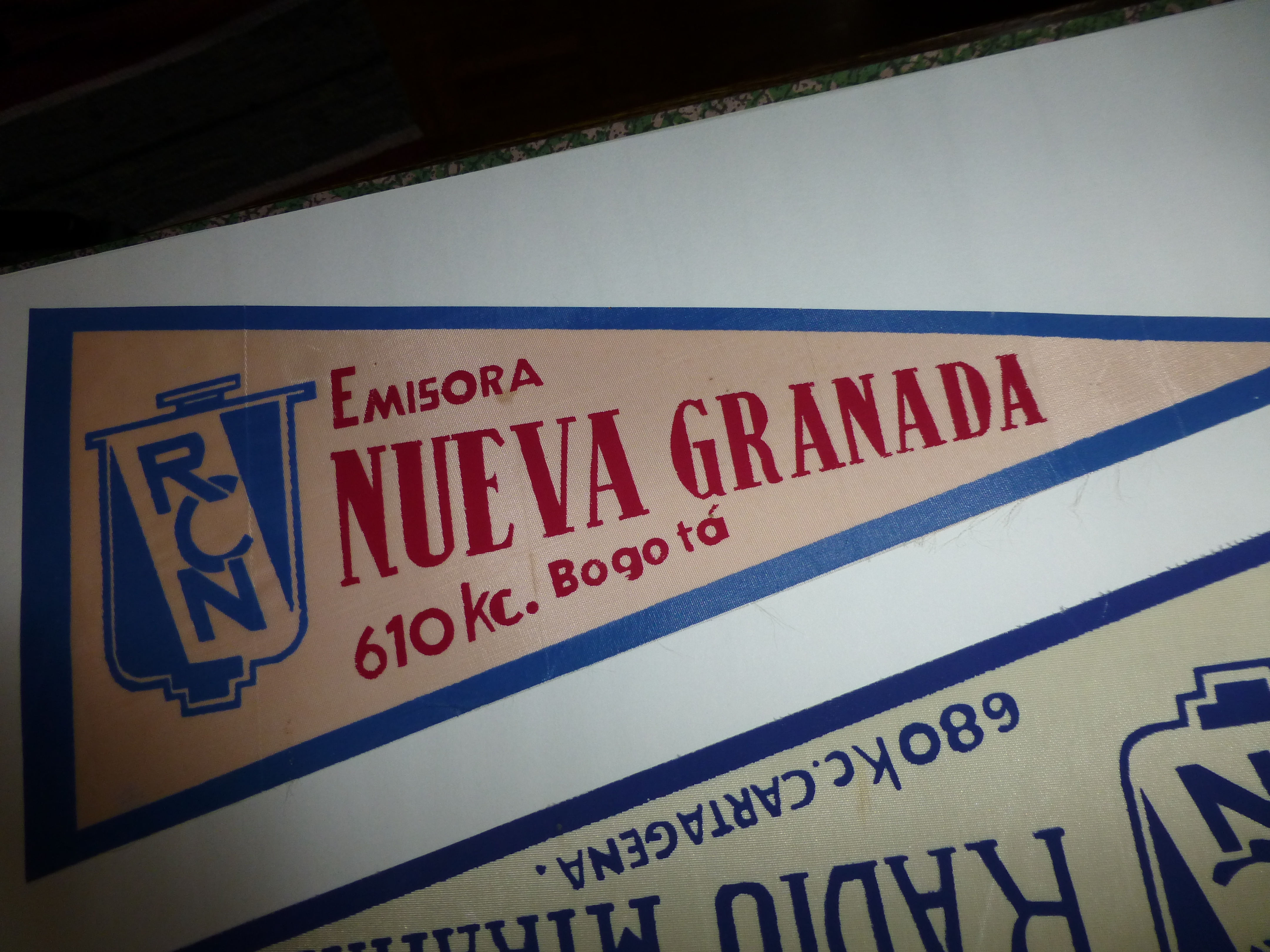
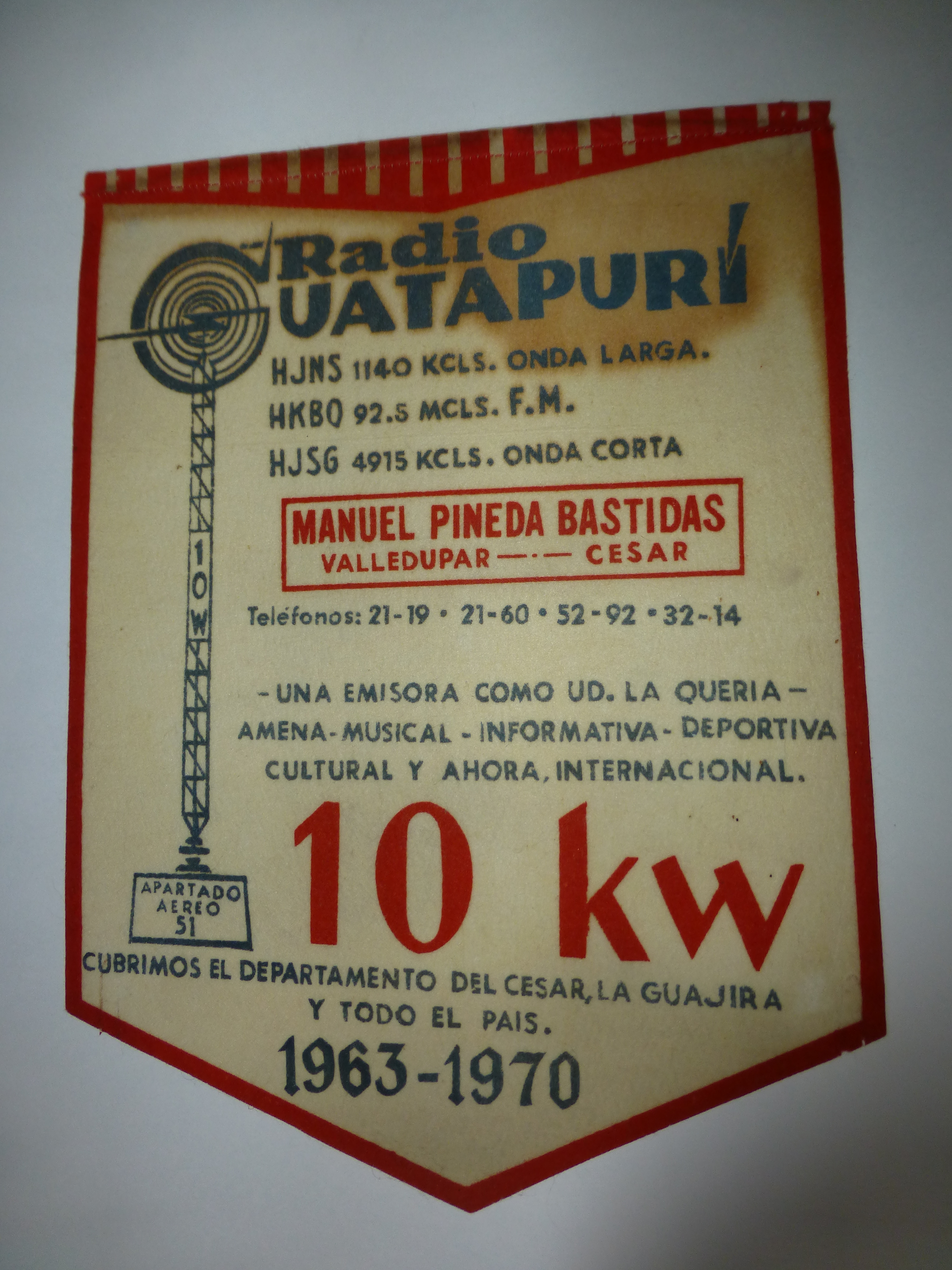
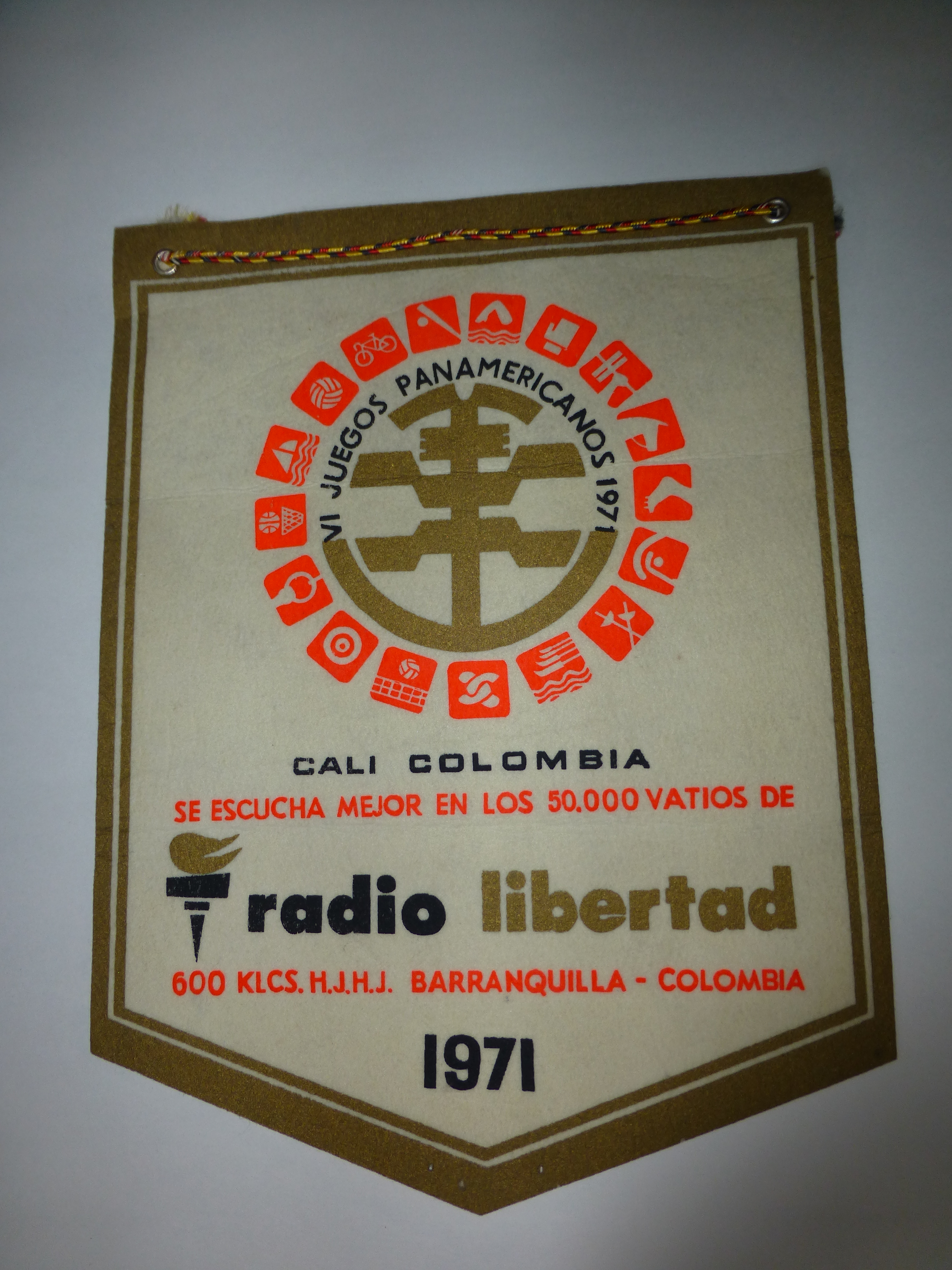
Pennants from the following colombian radiostations are presented: Emisora Atlántico 1070; La Voz de la Patria 1310; La Voz de Cartagena 1270; La Voz del Centro 6095; Radio Miramar de Cartagena 680; Emisora Nueva Granada 6160; R Piloto 1370; La Vos de los Centauros 5990; La Voz del Pueblo 5995; R Santa Fe 4965; R Villaviecencio 1290&4885; R Tequendama 770; R Bucaramanga 4845; R Reloj Cali 1110; Transmisora Caldas 5020; R Colosal 4945; La Voz del Huila ; R Dif Nacional 6180; Super R 4875; R Guatapurí 4915; R Libertad 600.
Golden were the days when the stations carried theri old exotic names and not e.g. RCN Cali; RCN Medellín; Oxigeno Tunja; etc etc.

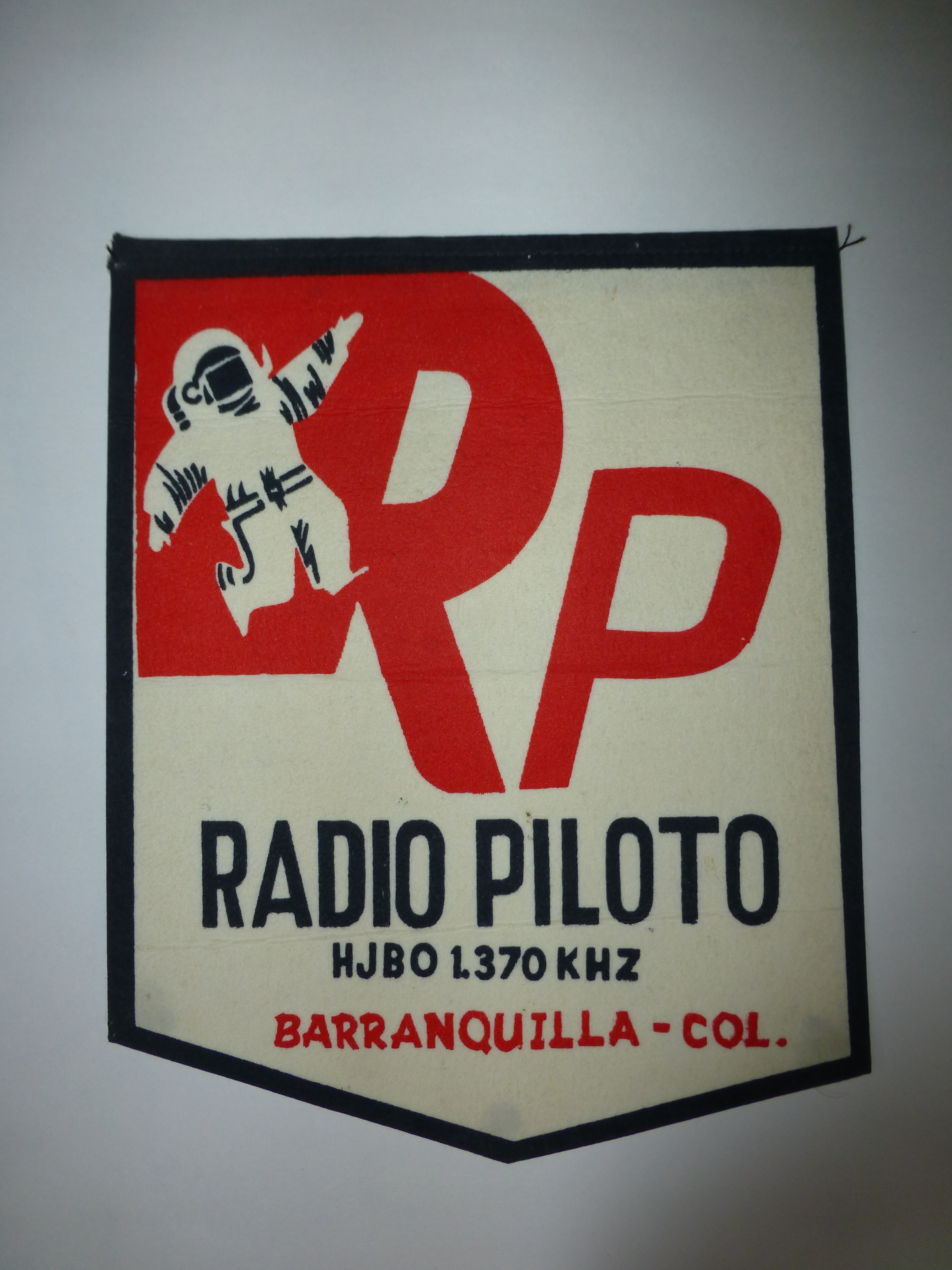
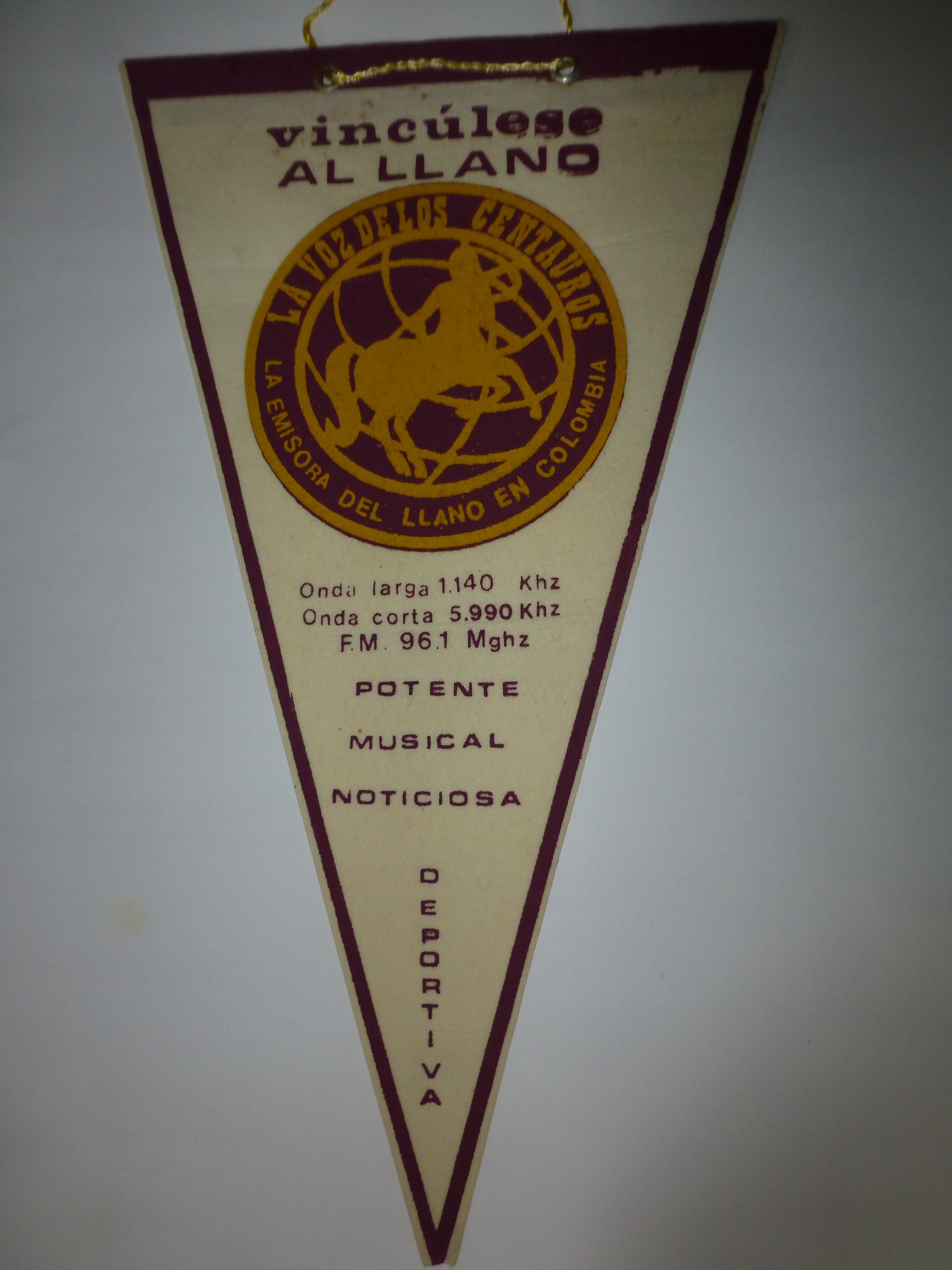
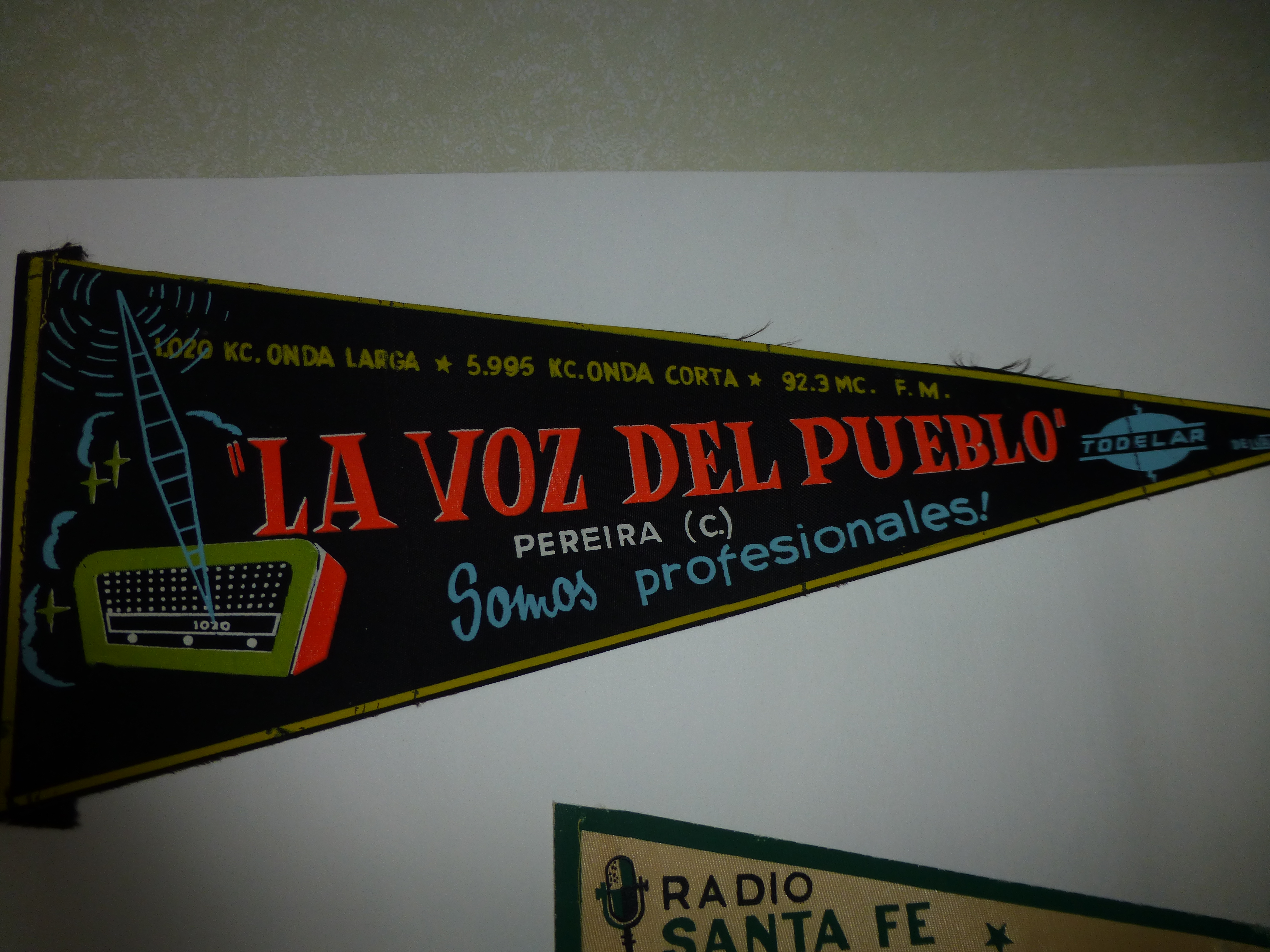
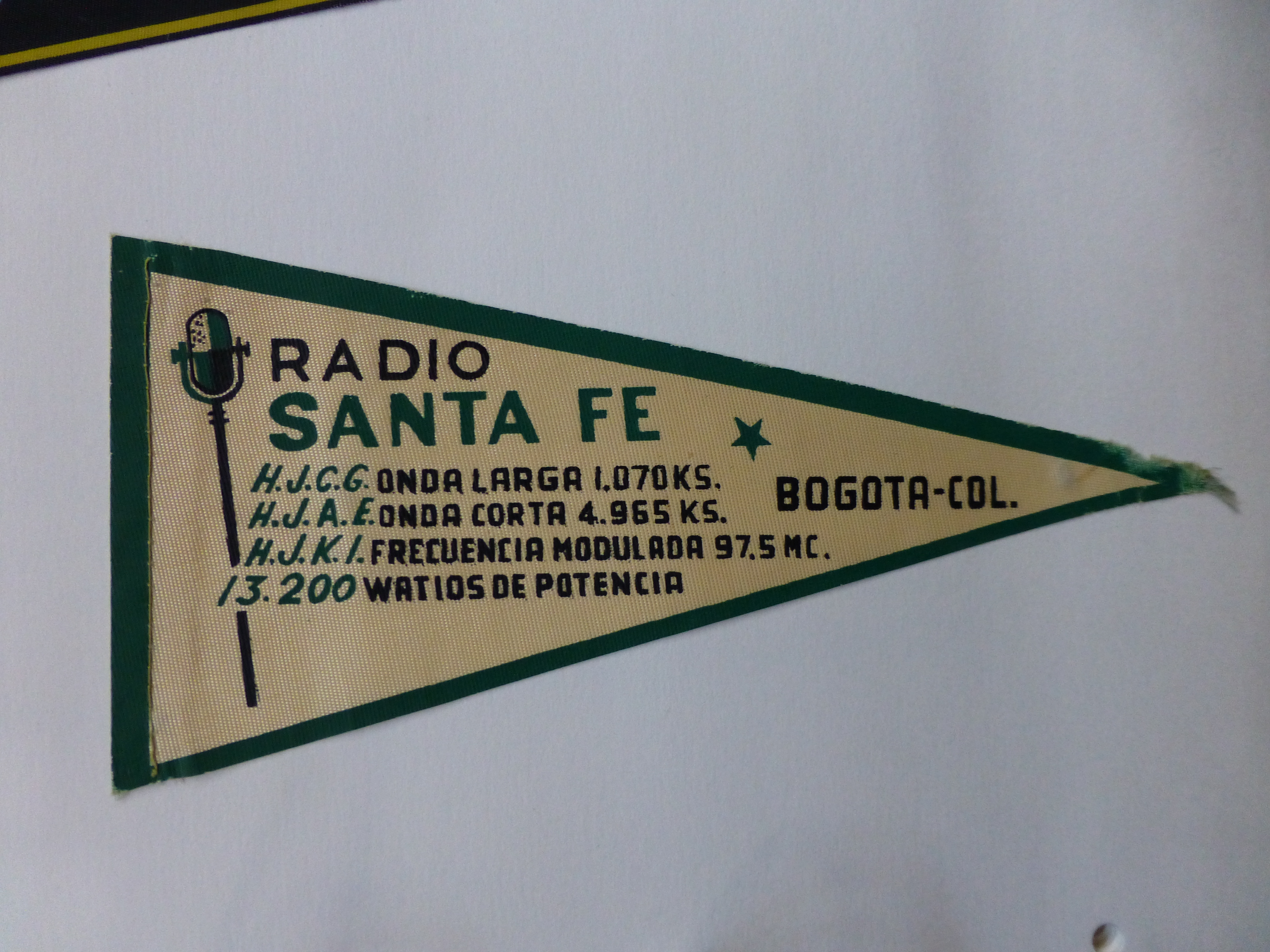
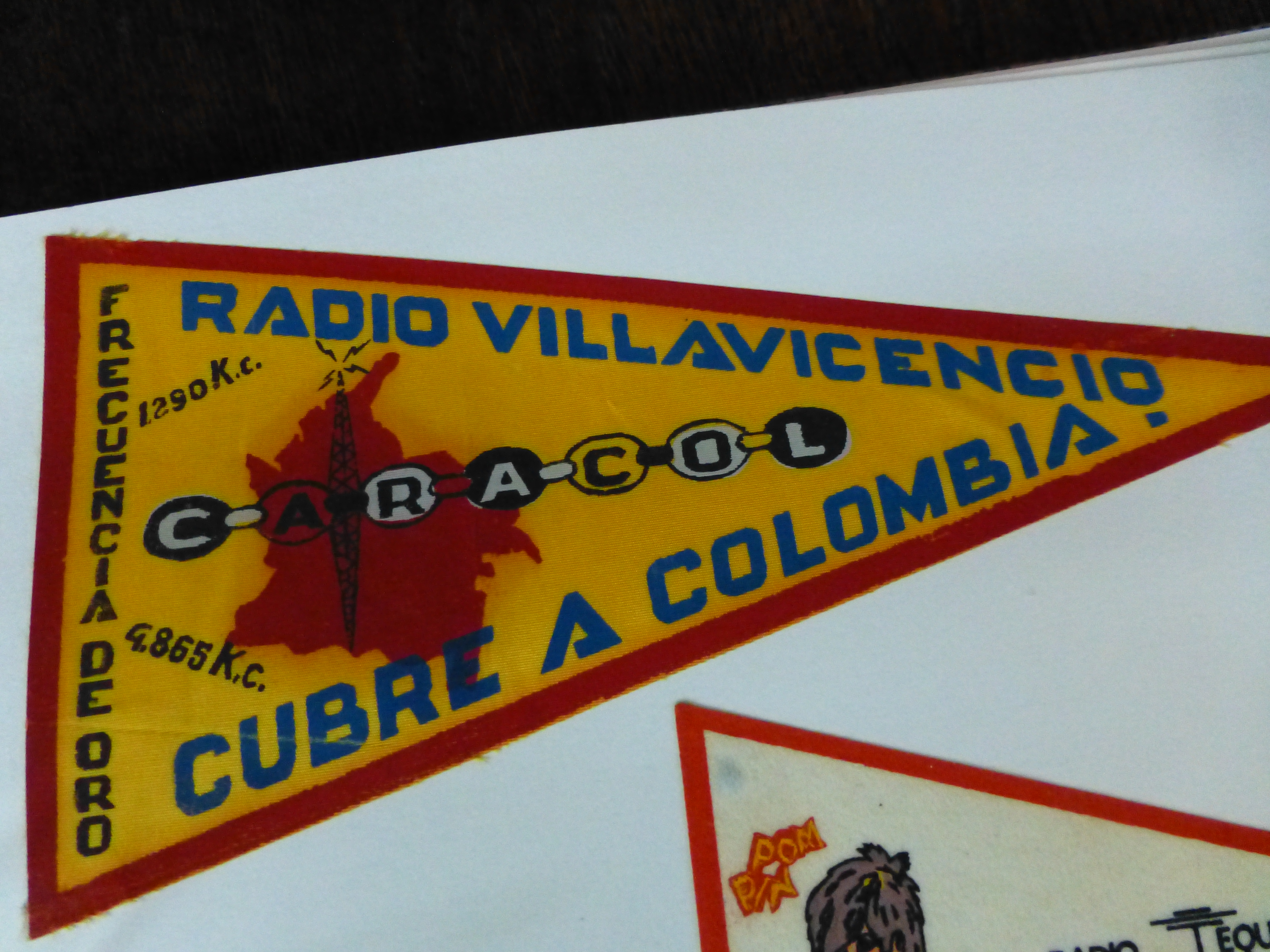
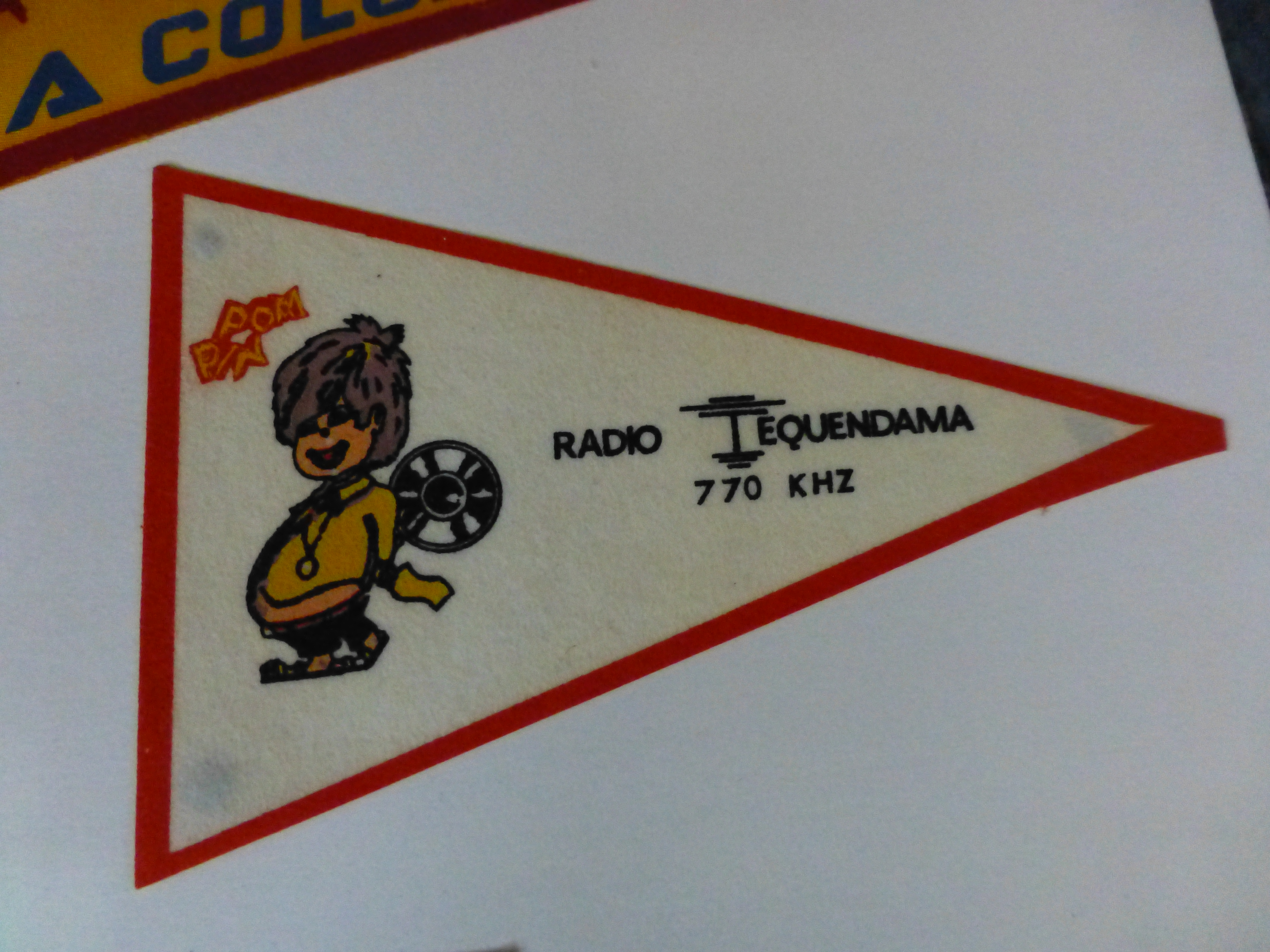

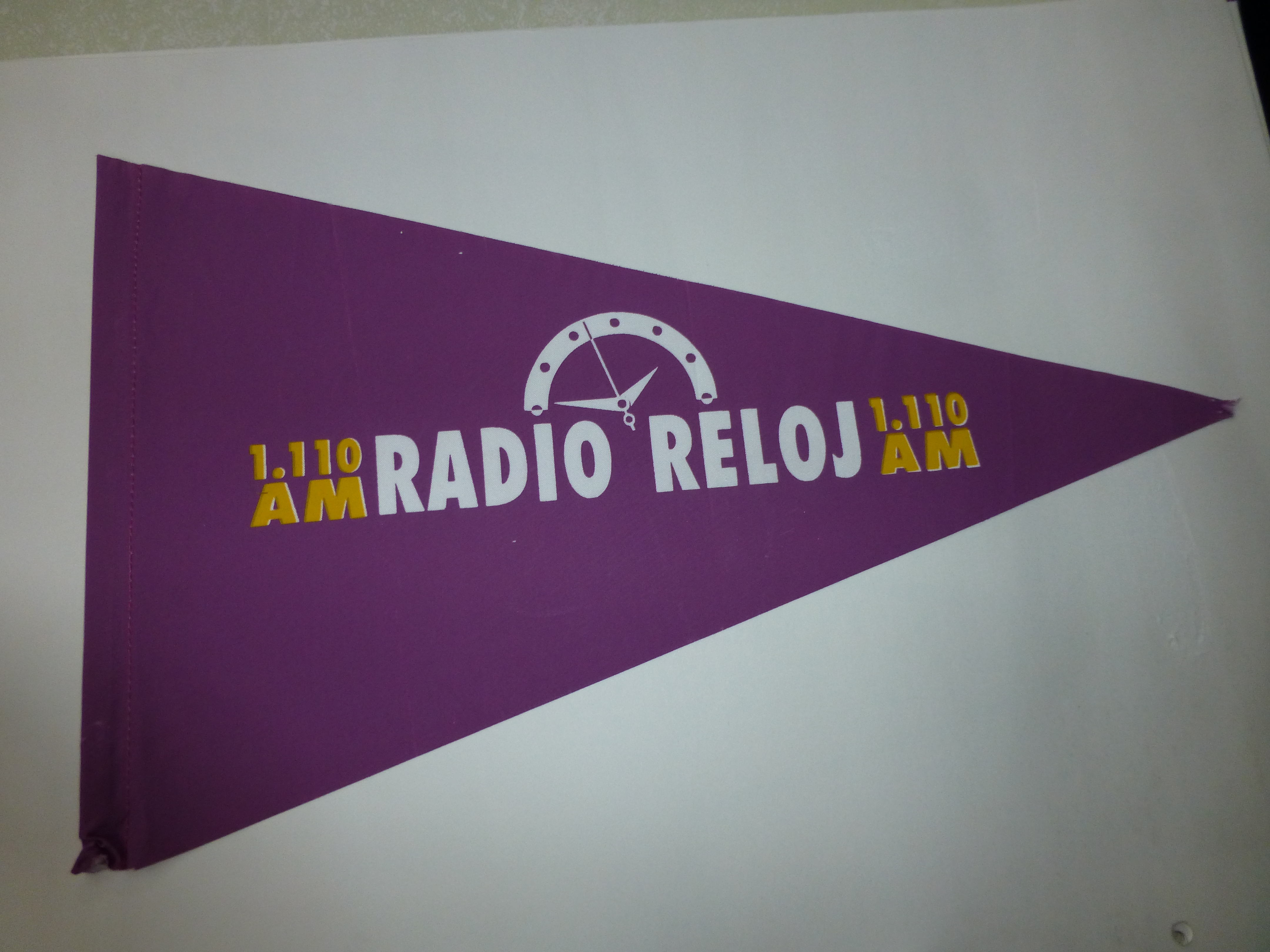
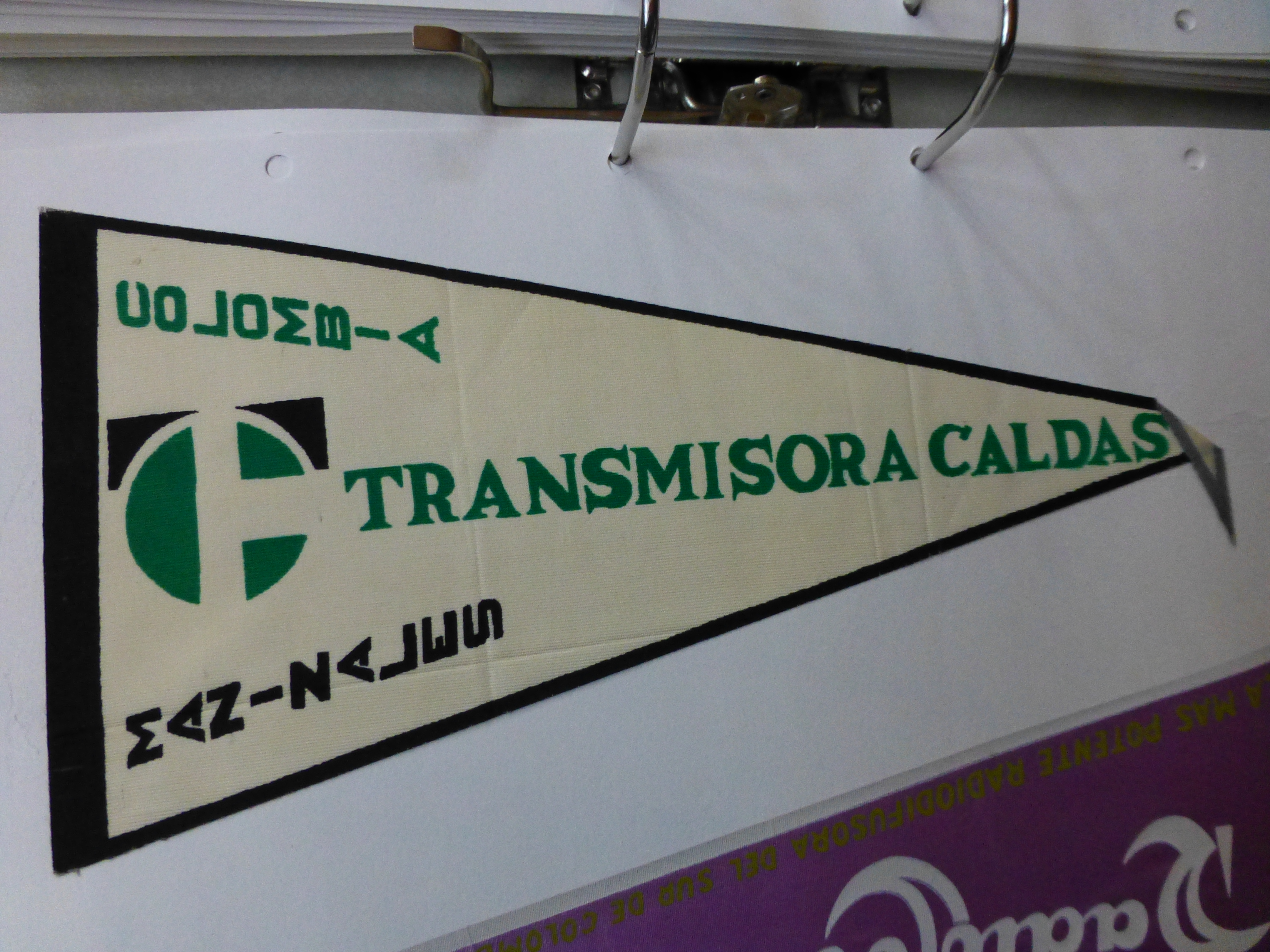
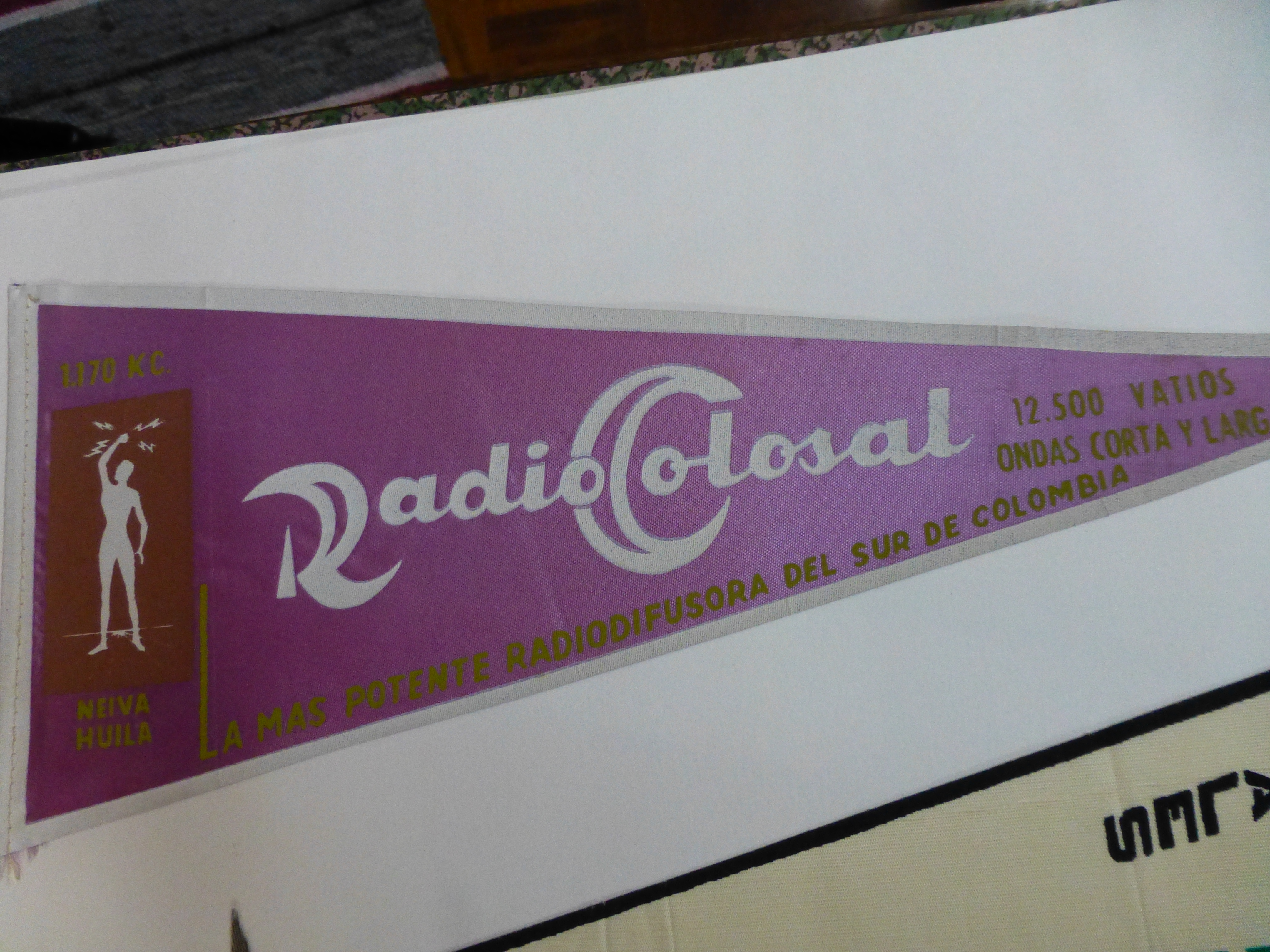
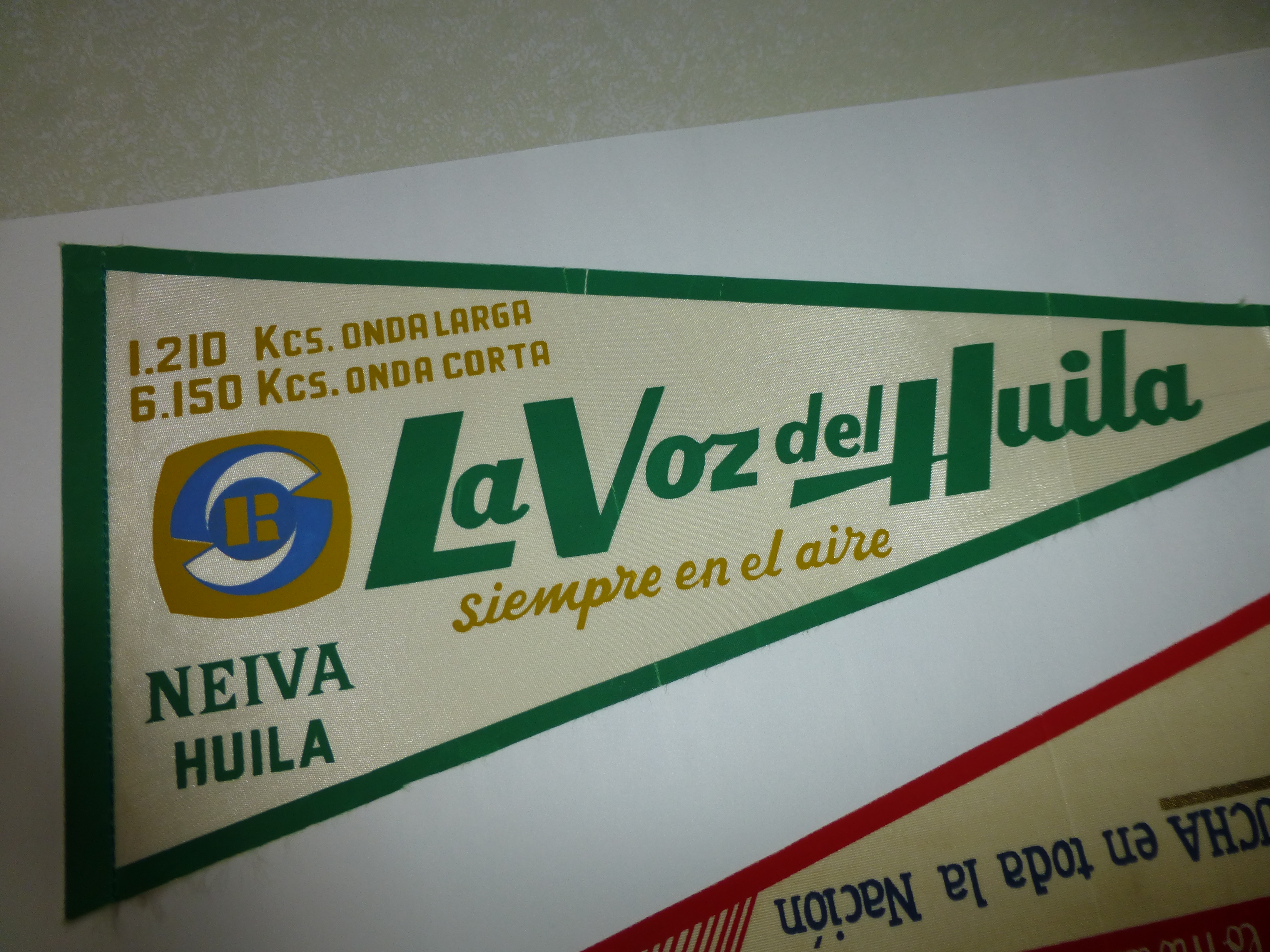
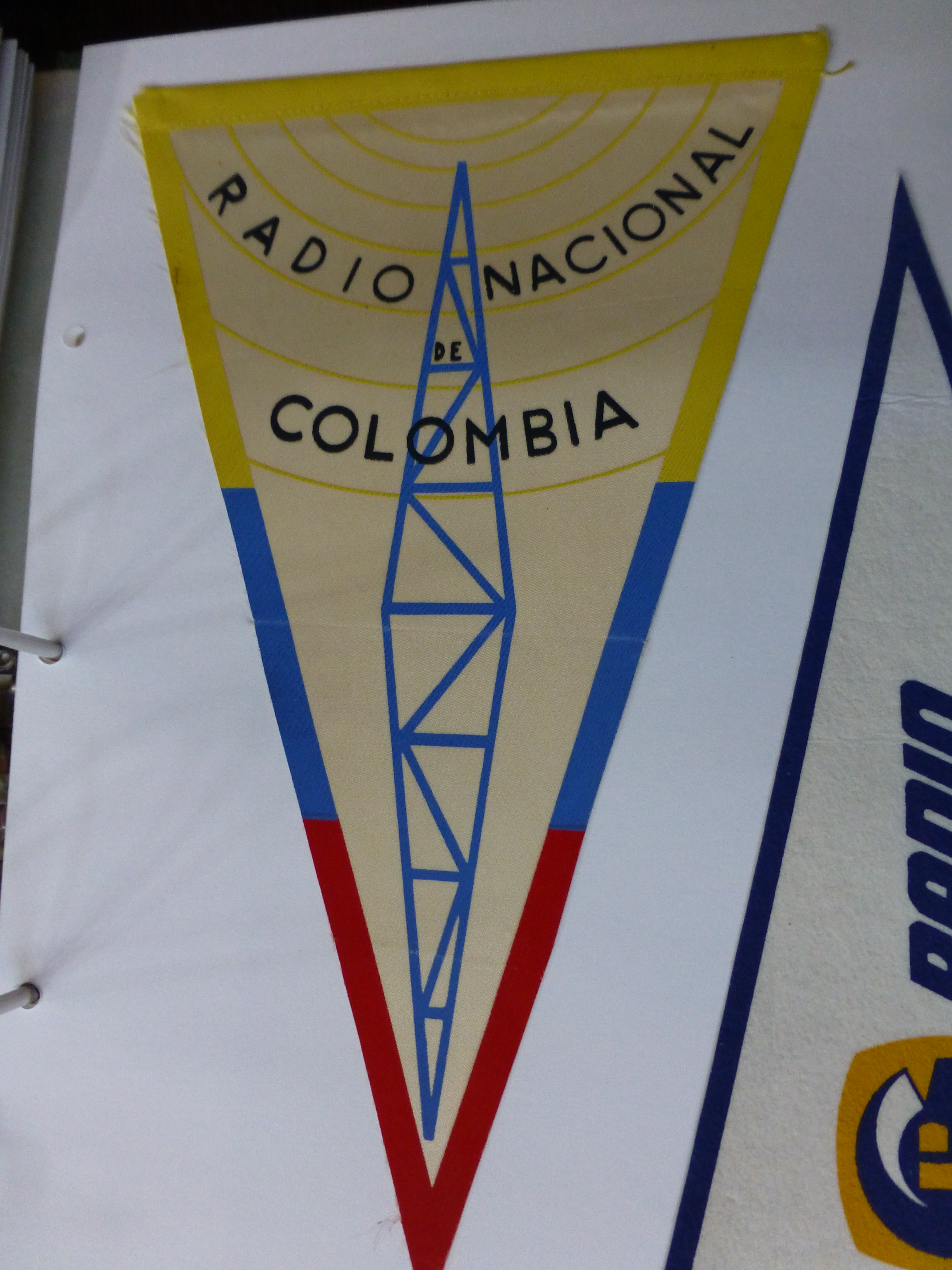
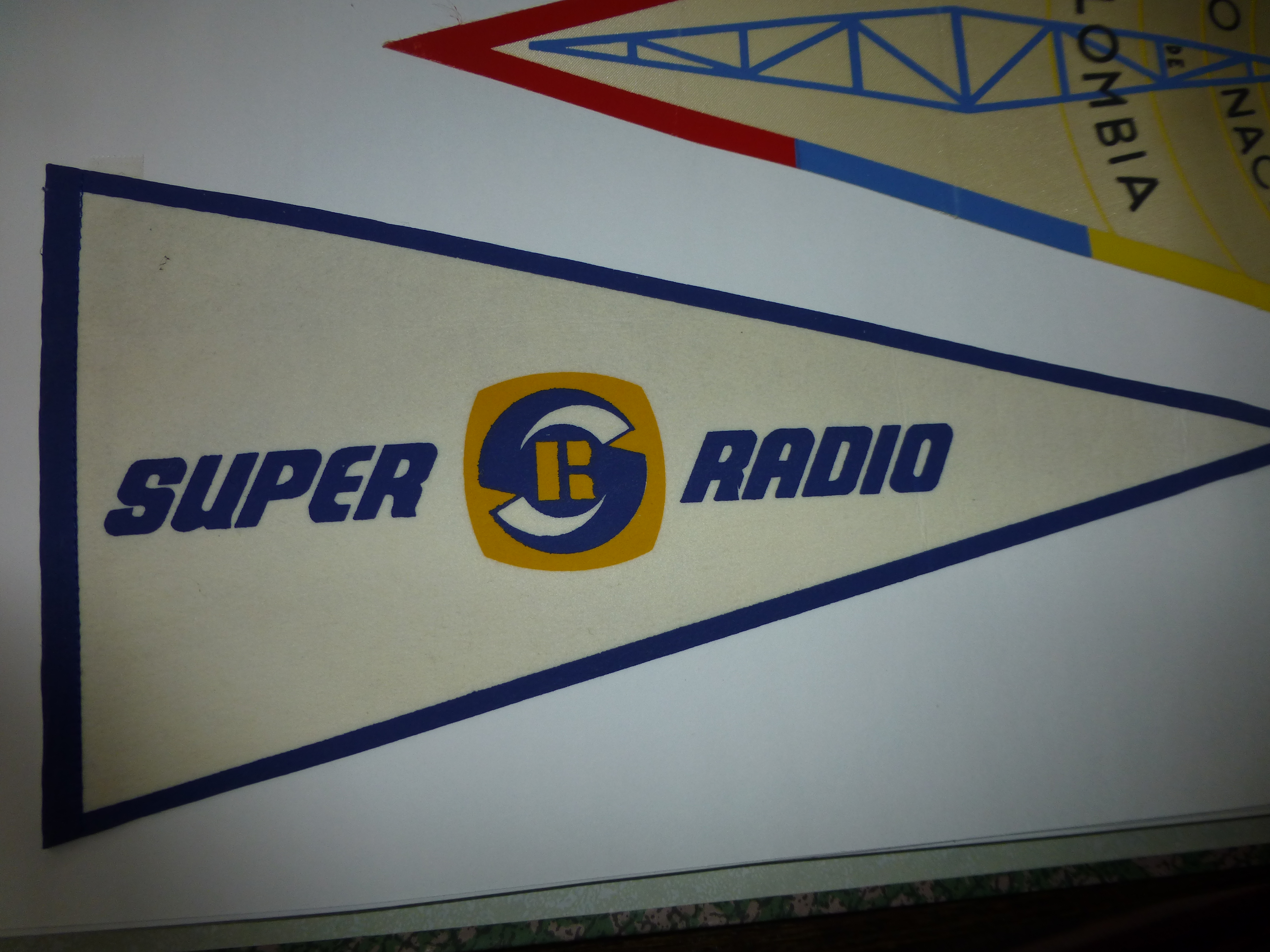
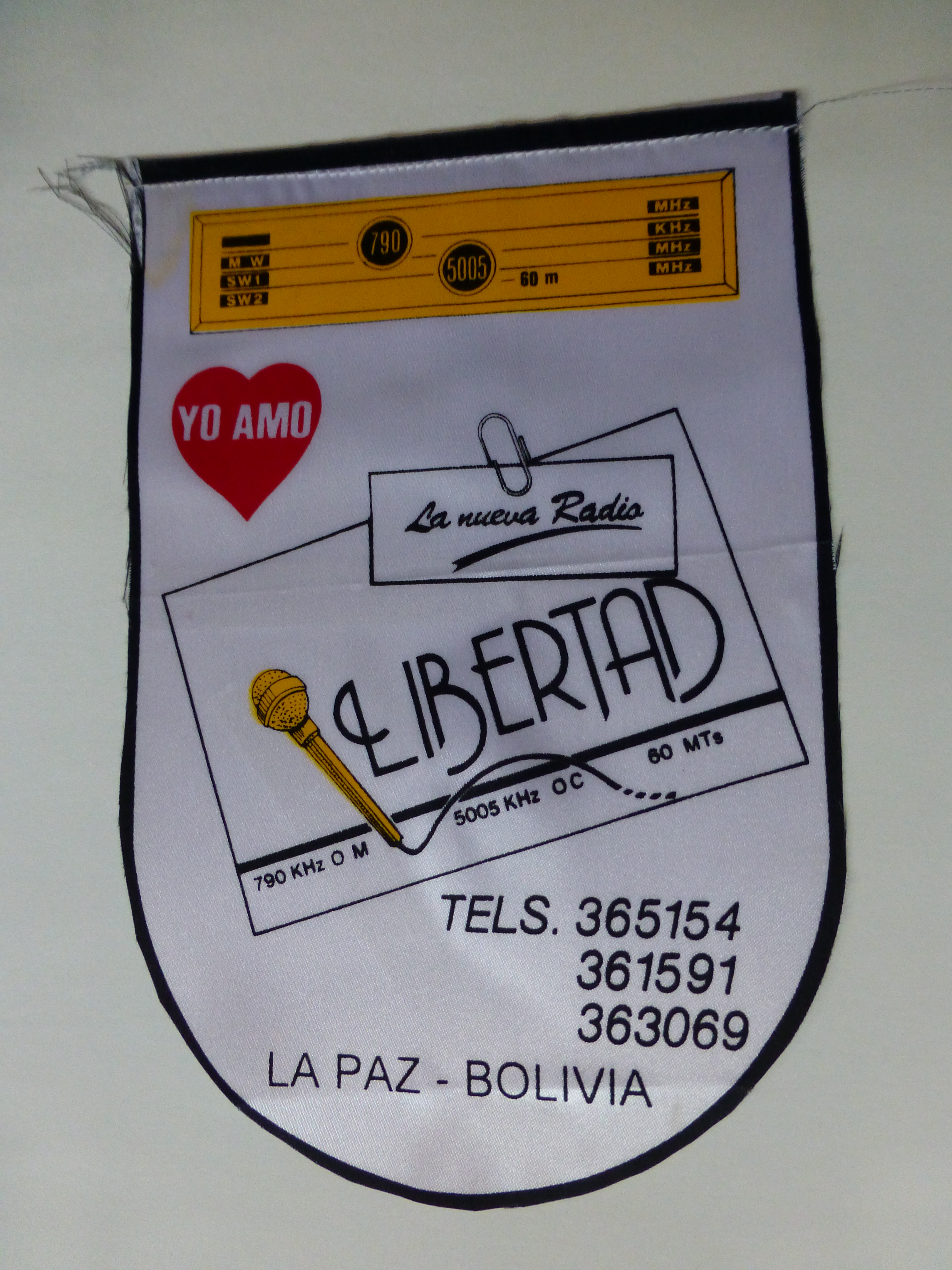
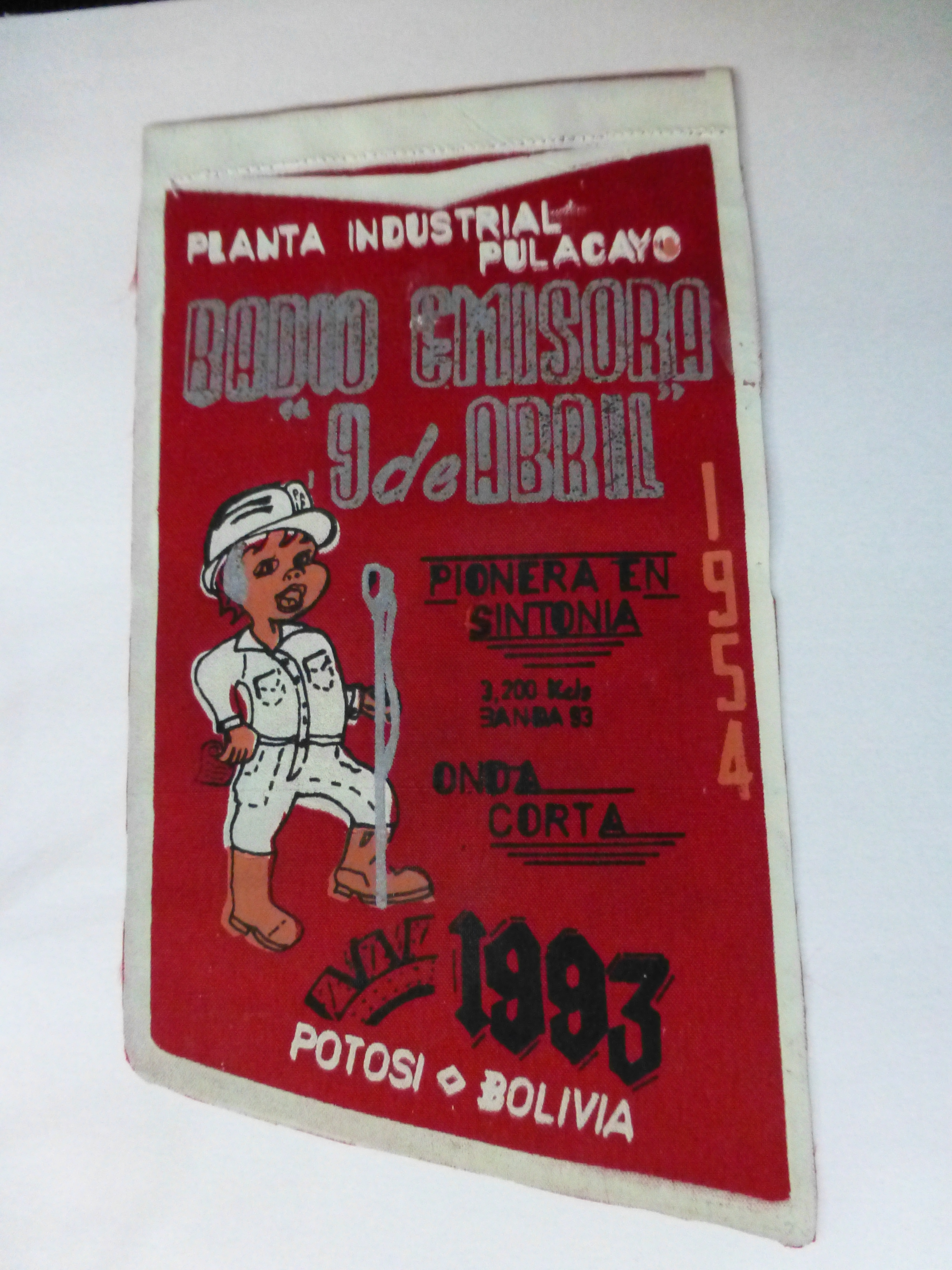
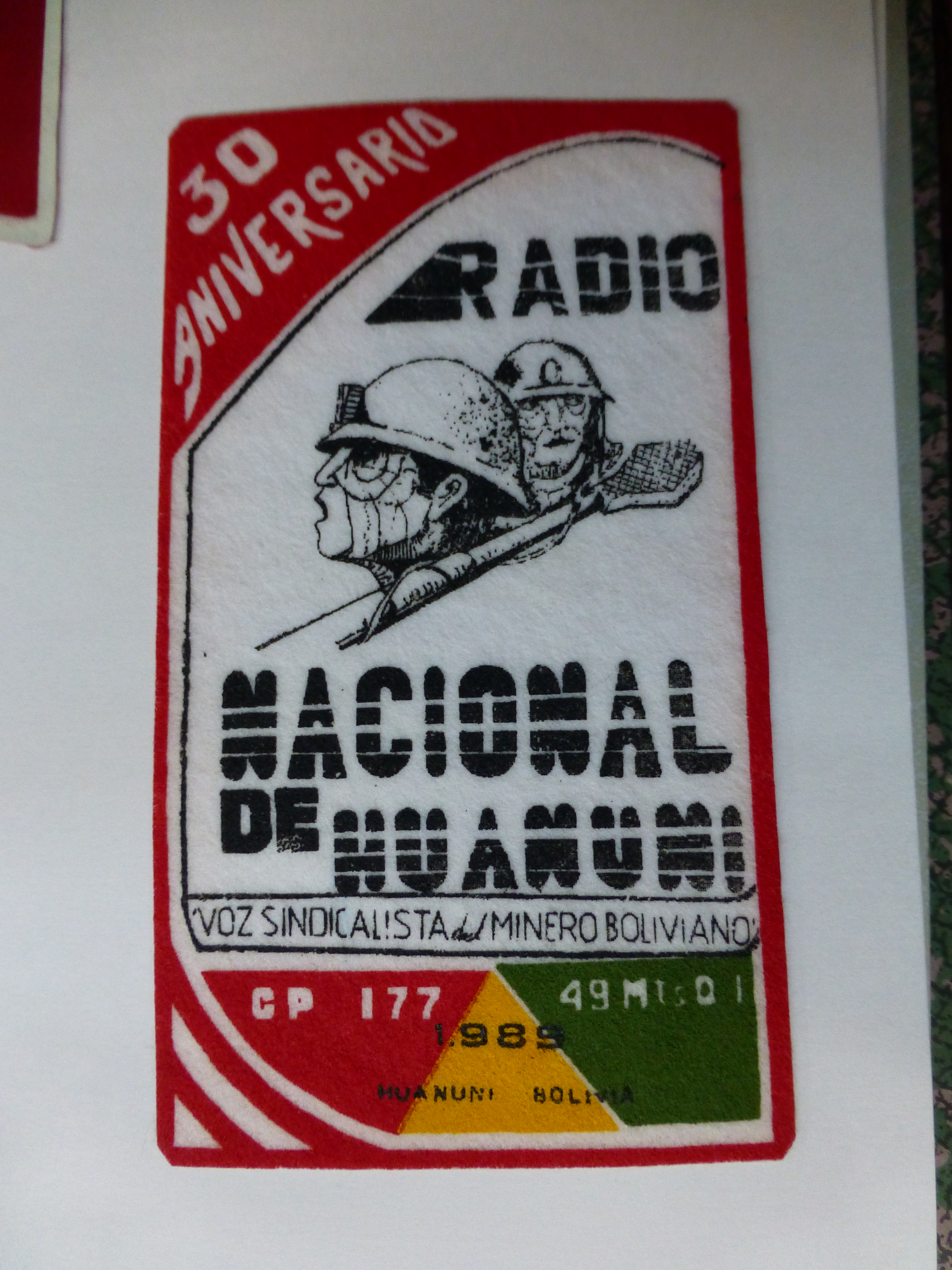
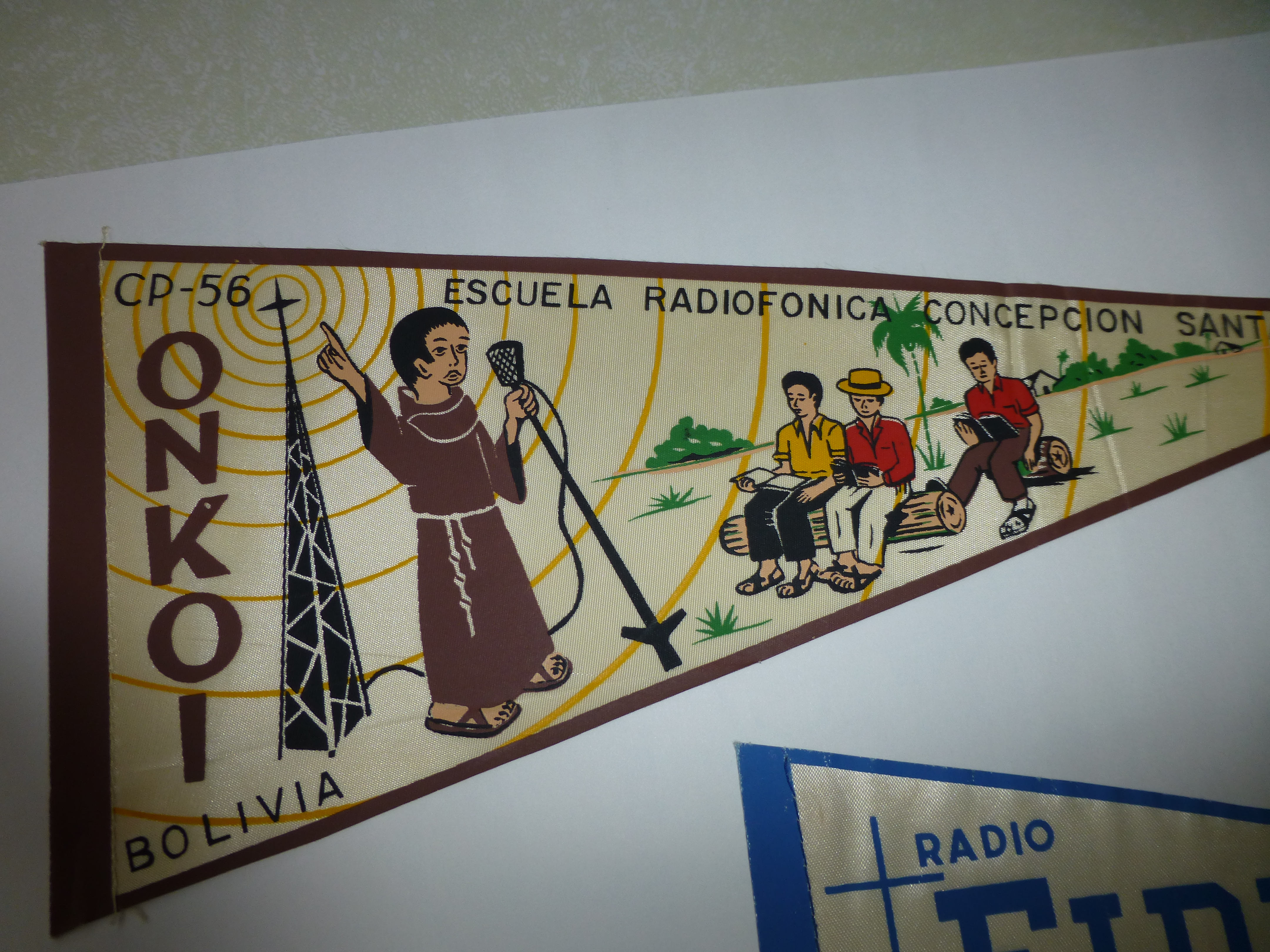
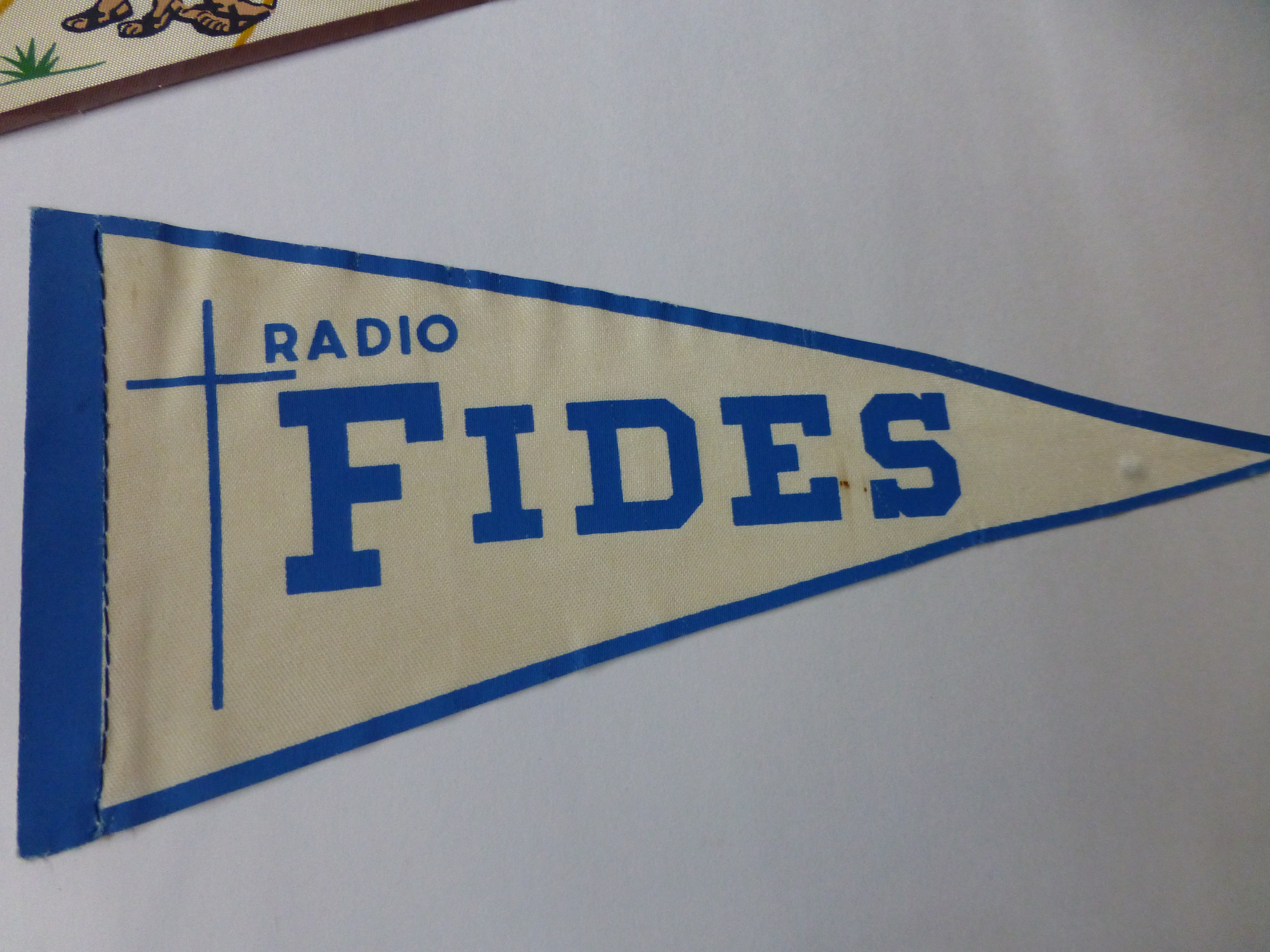
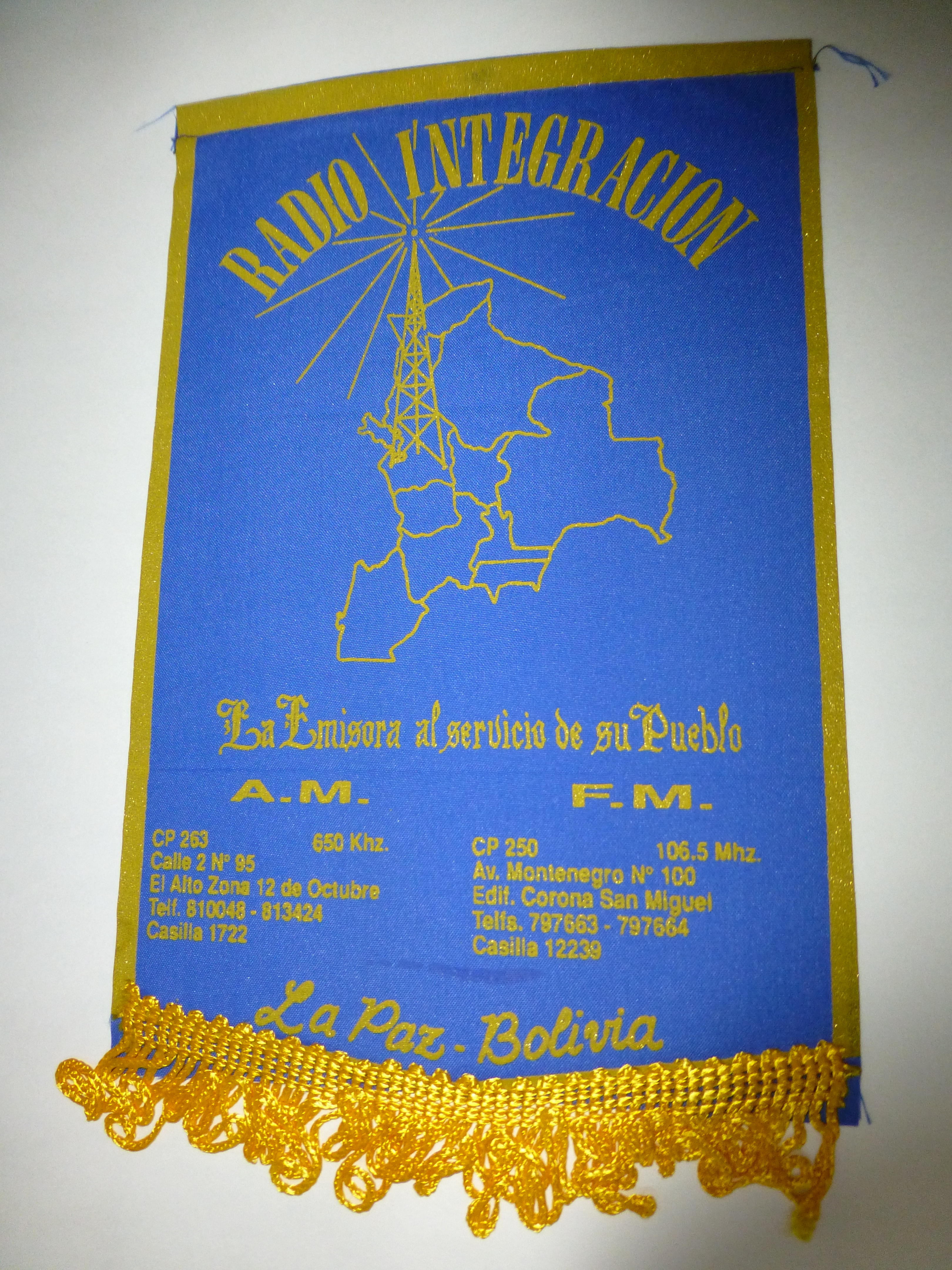
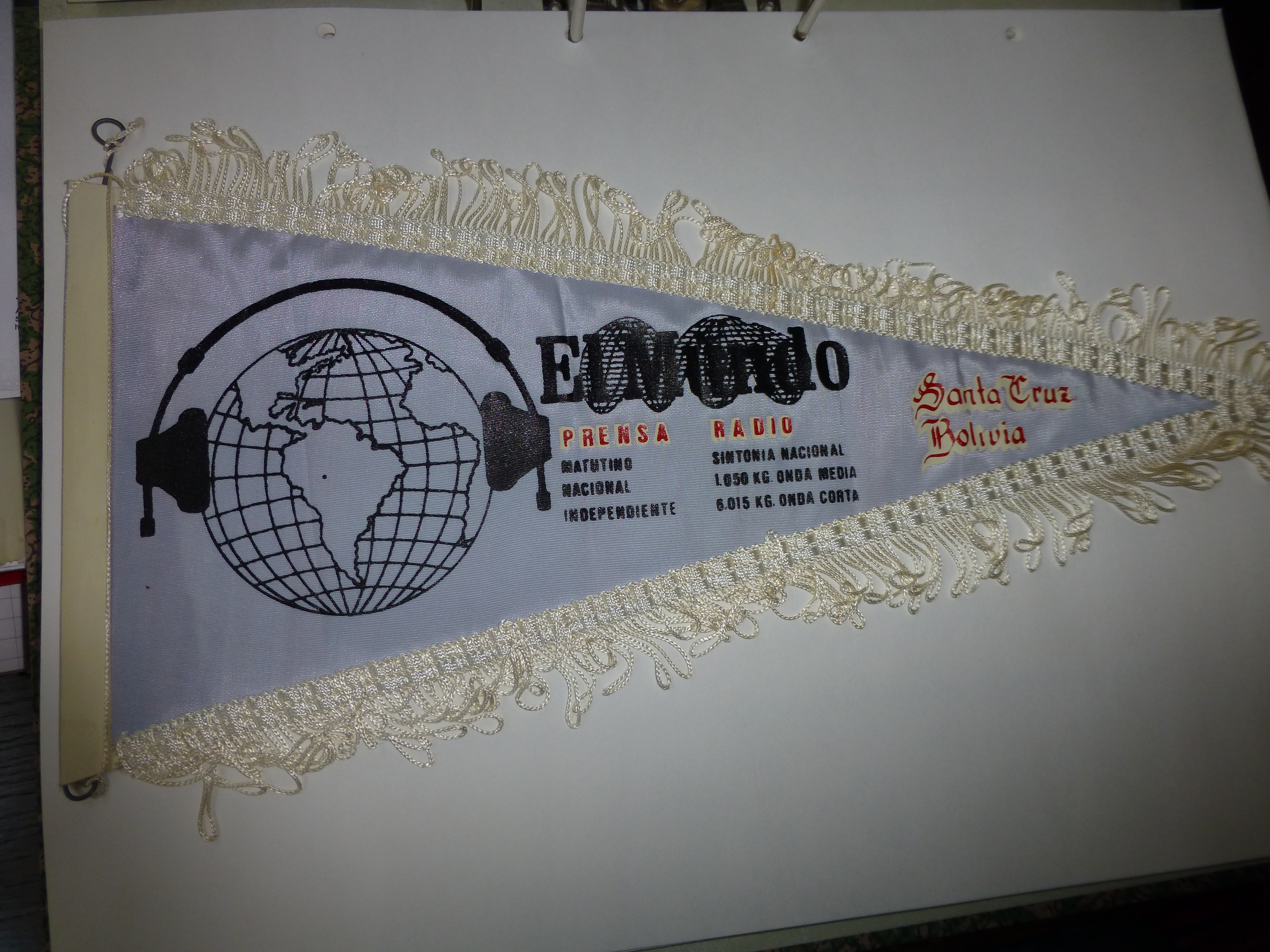
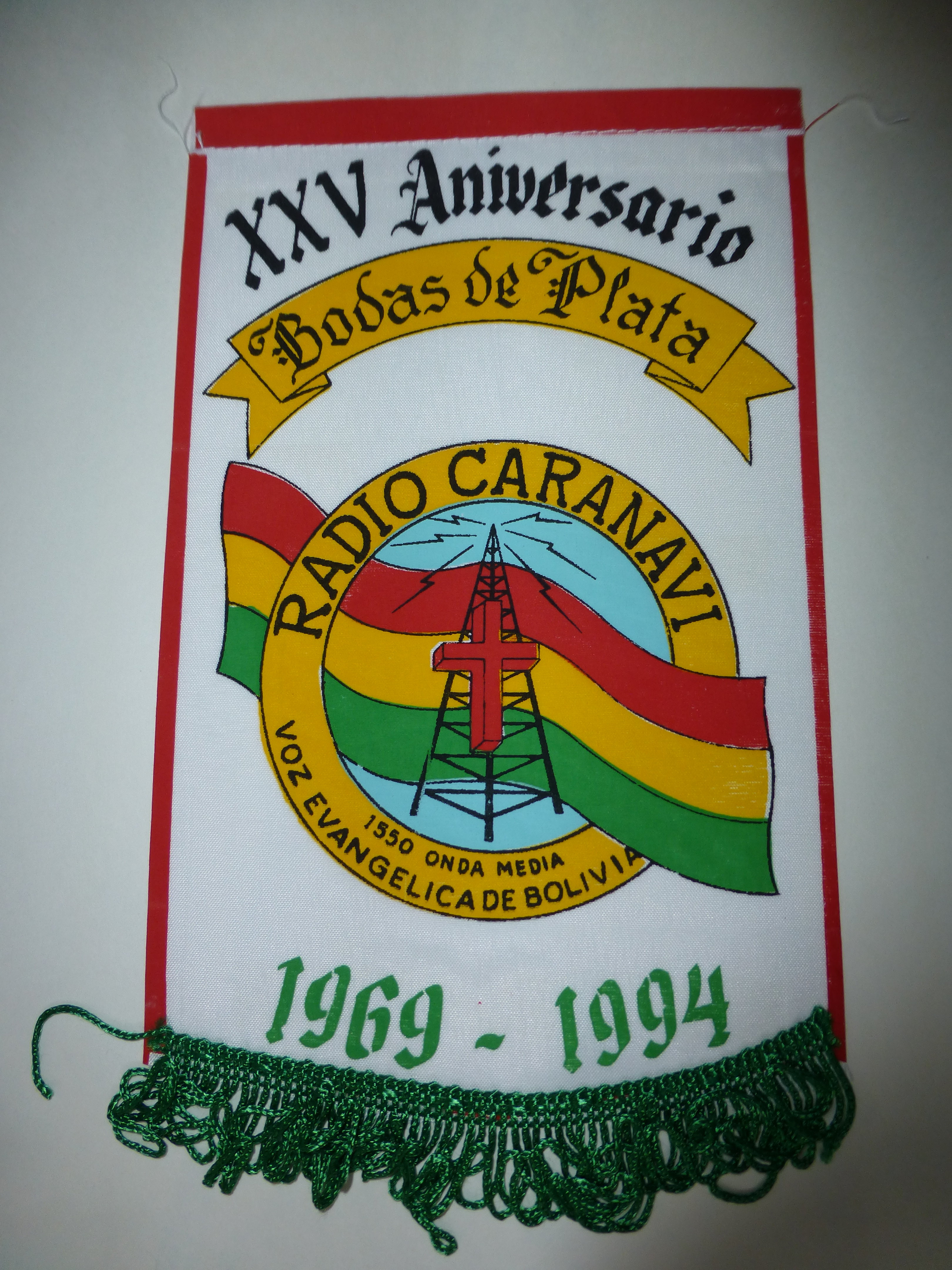
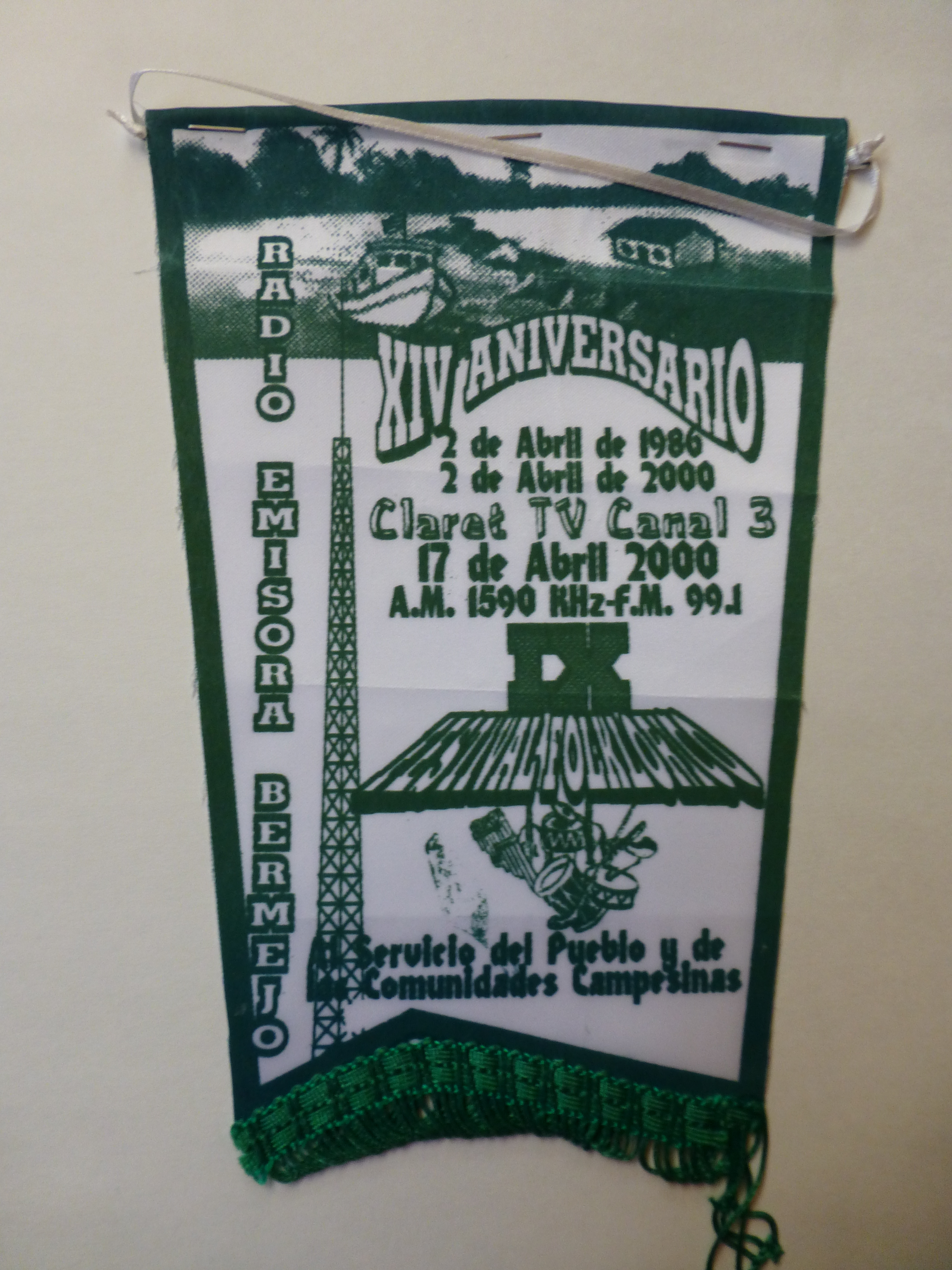
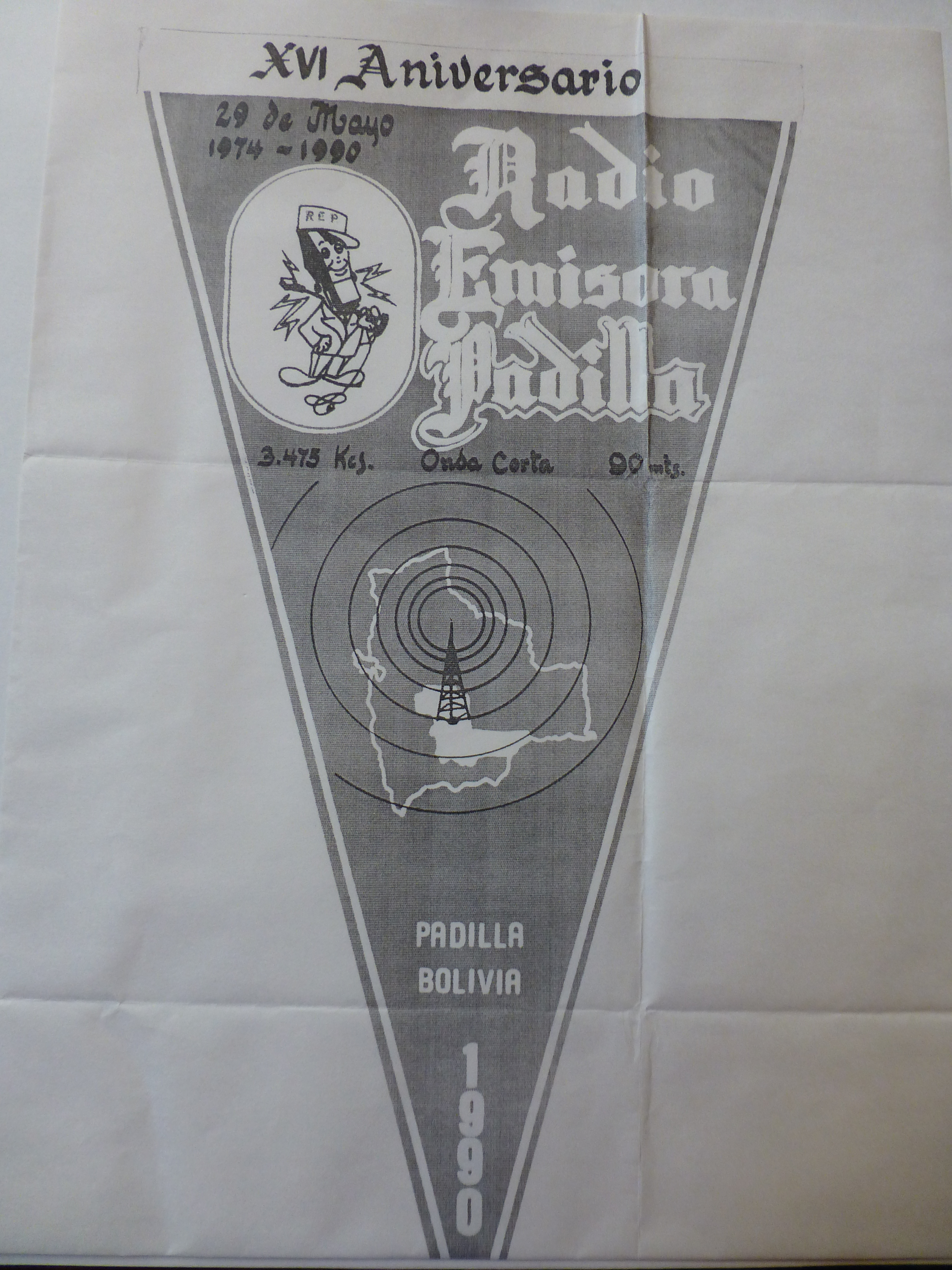
Below some pennants from Bolivia from my collection. The pennants come from; R Libertad 5045; R Emisora 9 de Abril 3200; R Nacional Huanuni 5965; R Onkoi 4808; R Fides 4845; R Integracion 6125; R Difusoras Minería 4975; R El Mundo 1050; R TV Popular 6195; R Caranavi 1550; R Bermejo 1590 and R Emisora Padilla 3475.
Note the ARC (Arctic Radio Clube) logo (the letters ARC in the announcers hat replaced by the letters REM!) in the pennant, and also inte letter heads of Radio Emisora Padilla.

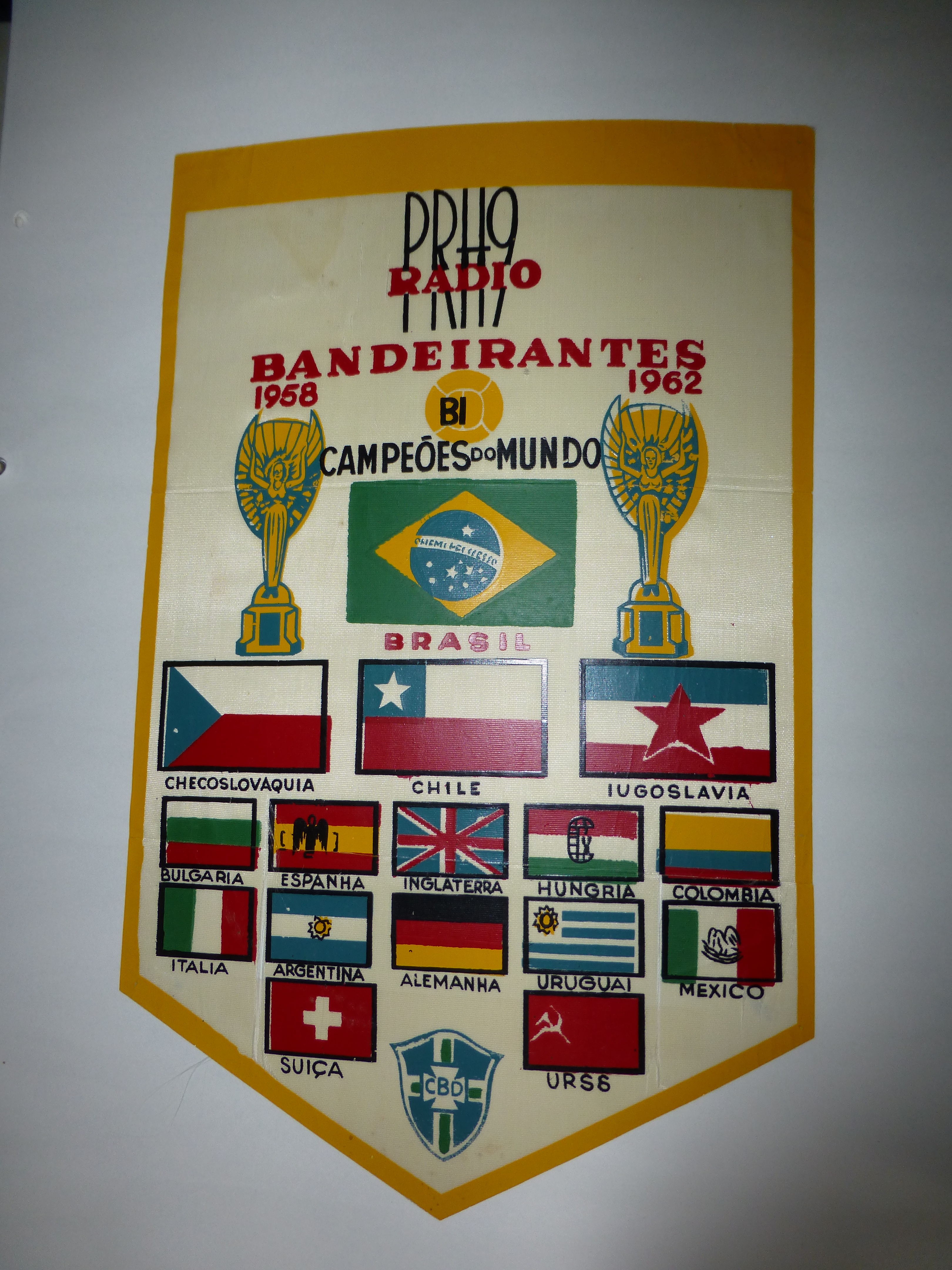
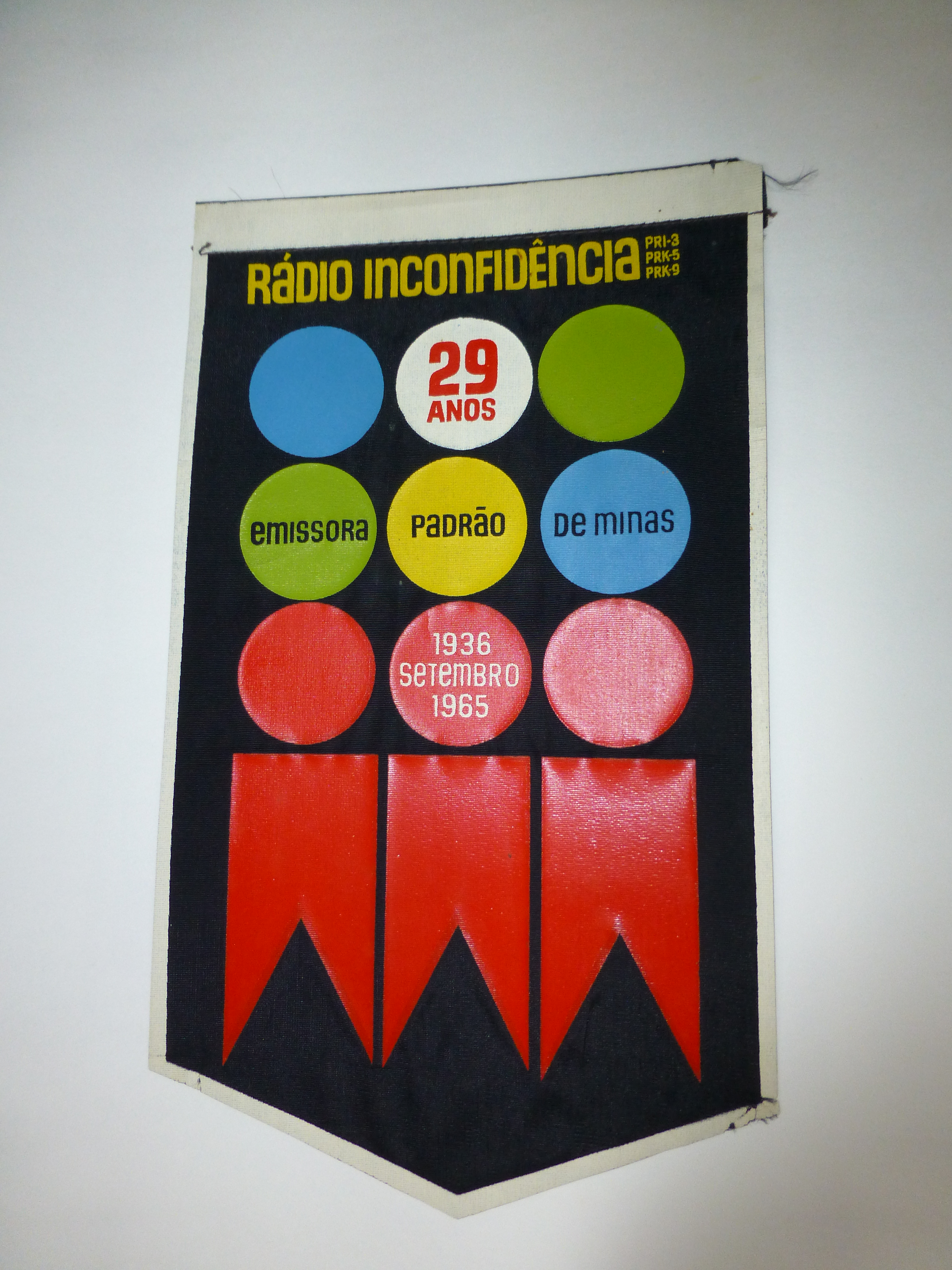
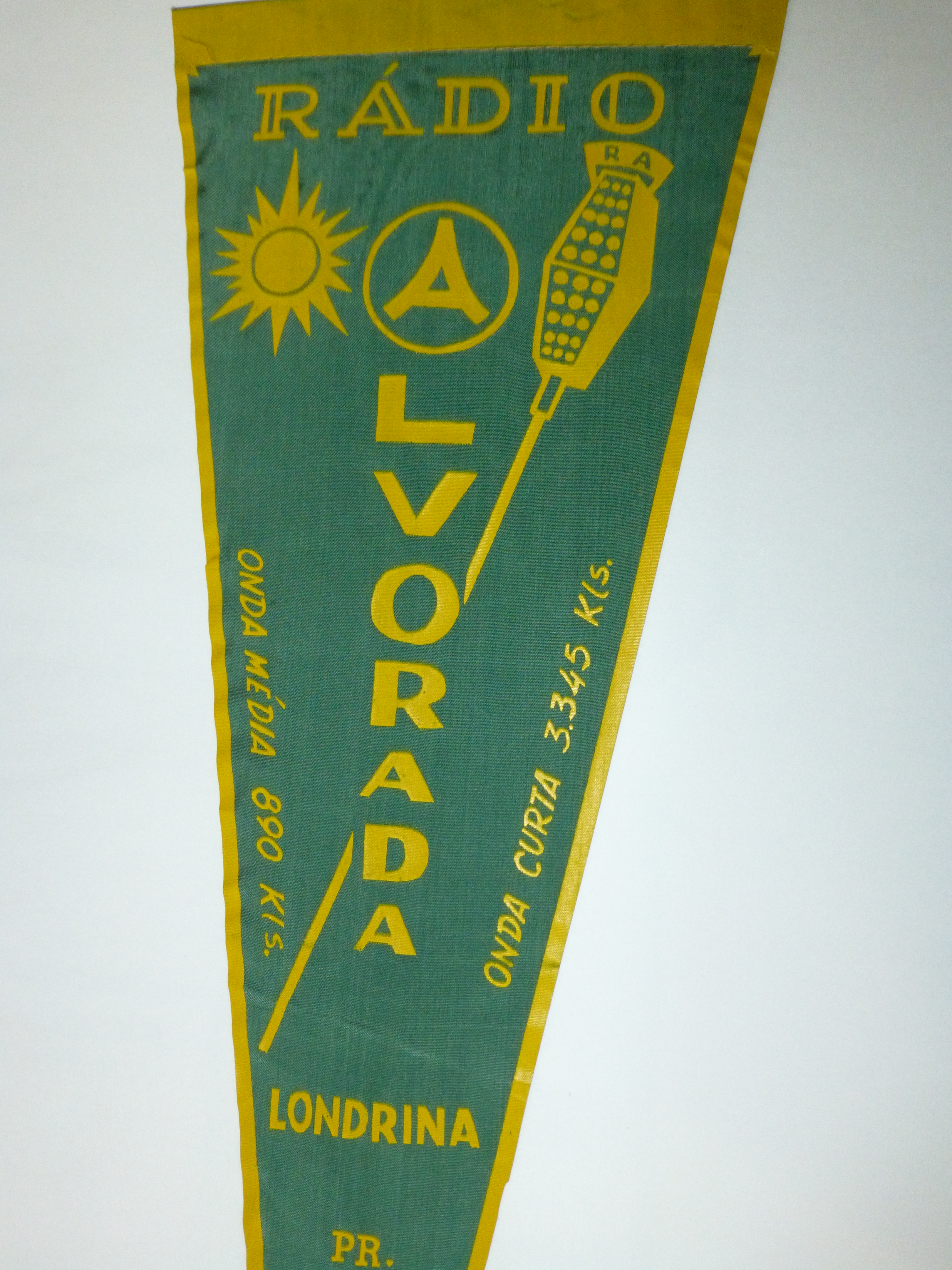
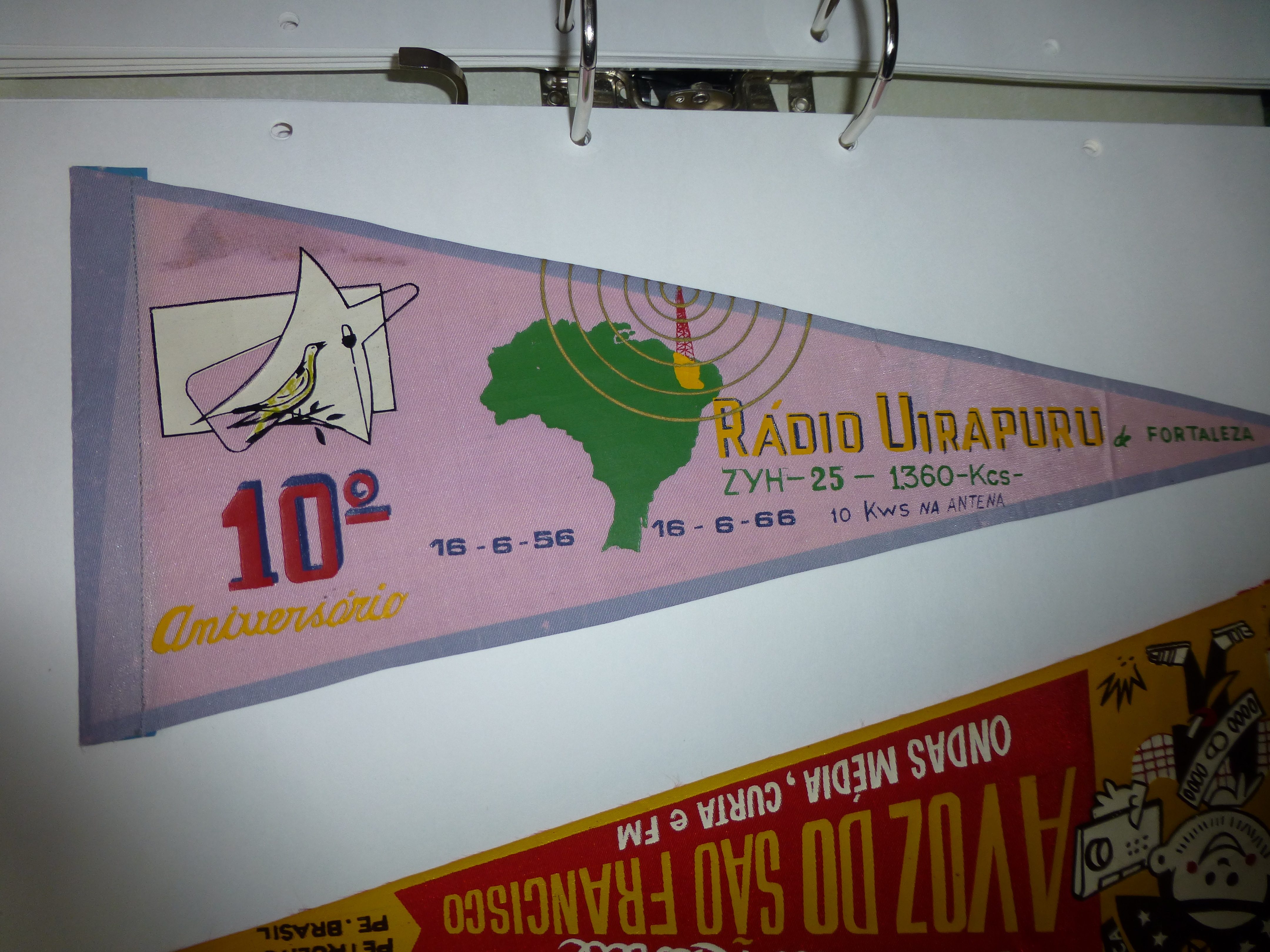
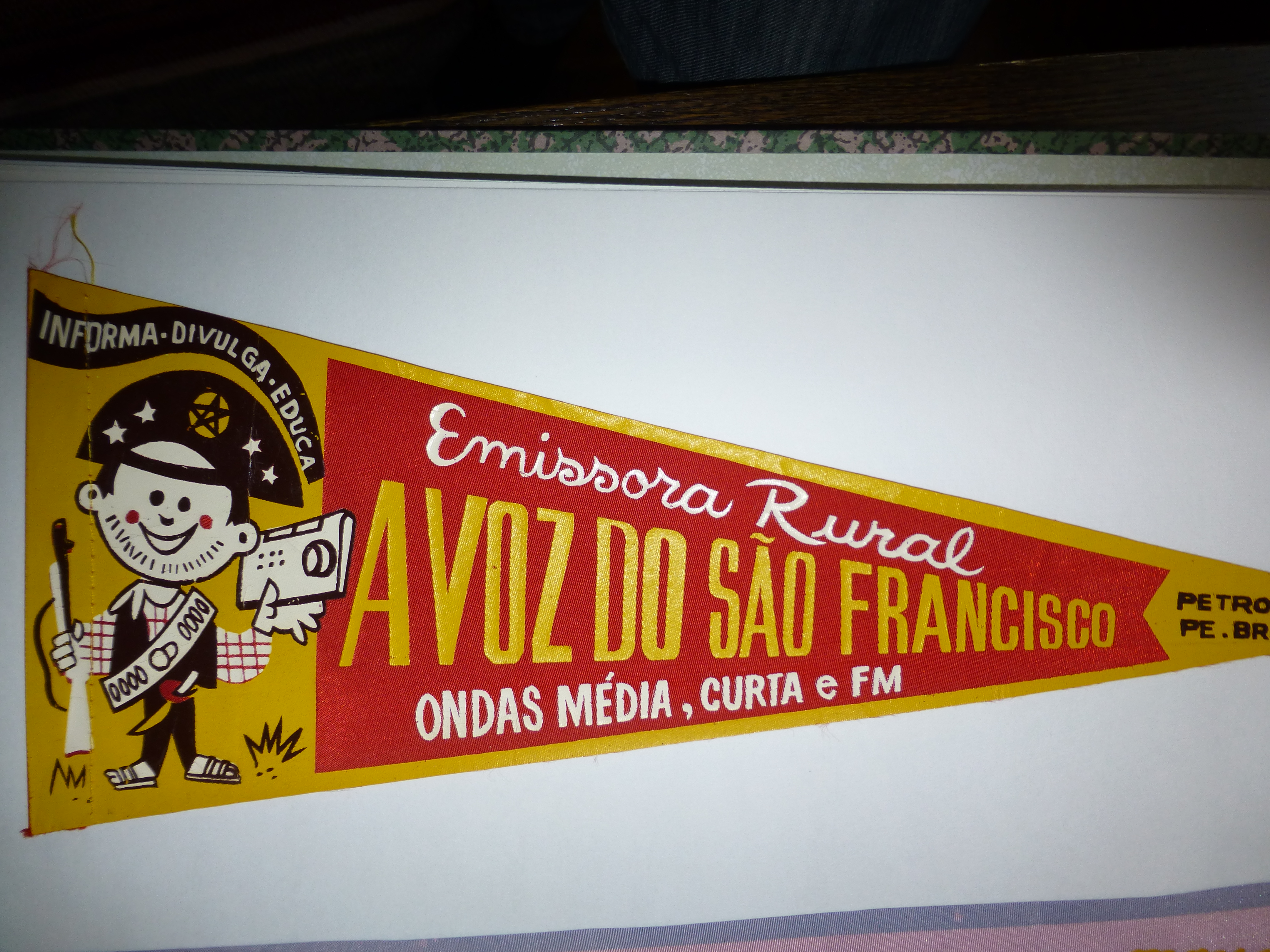
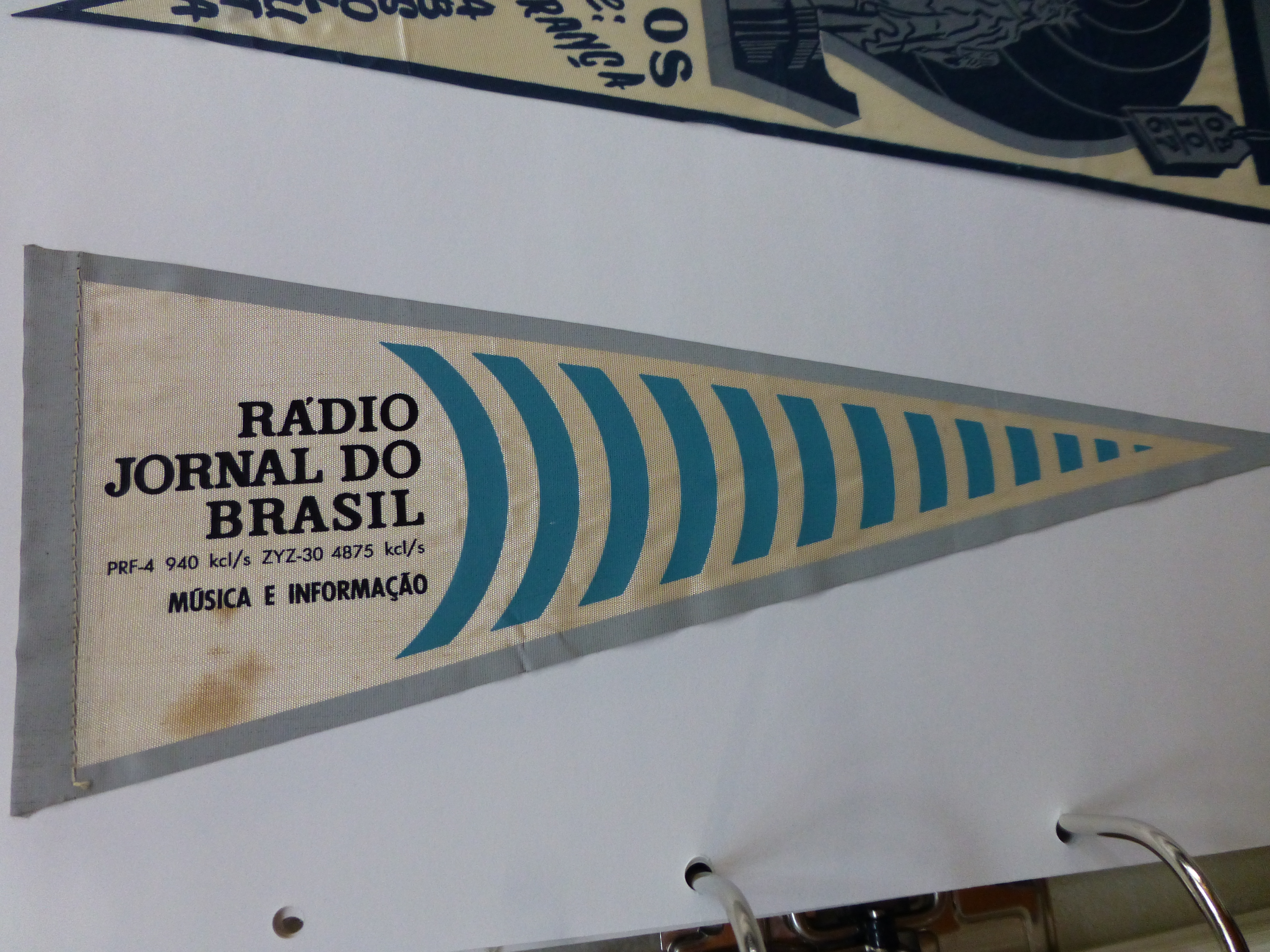
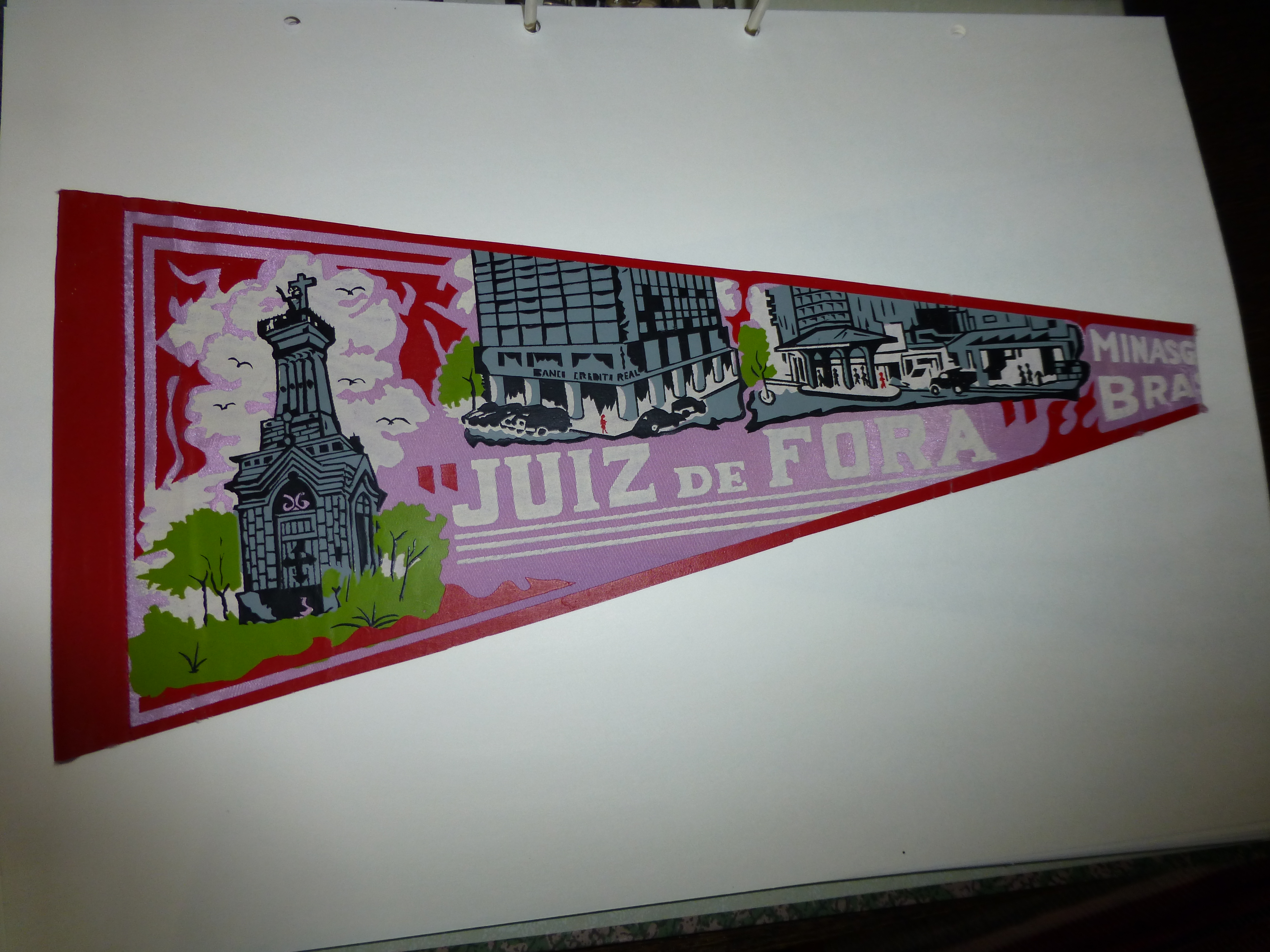
The continuing story of Latin American pennants from my collection: Brazil!
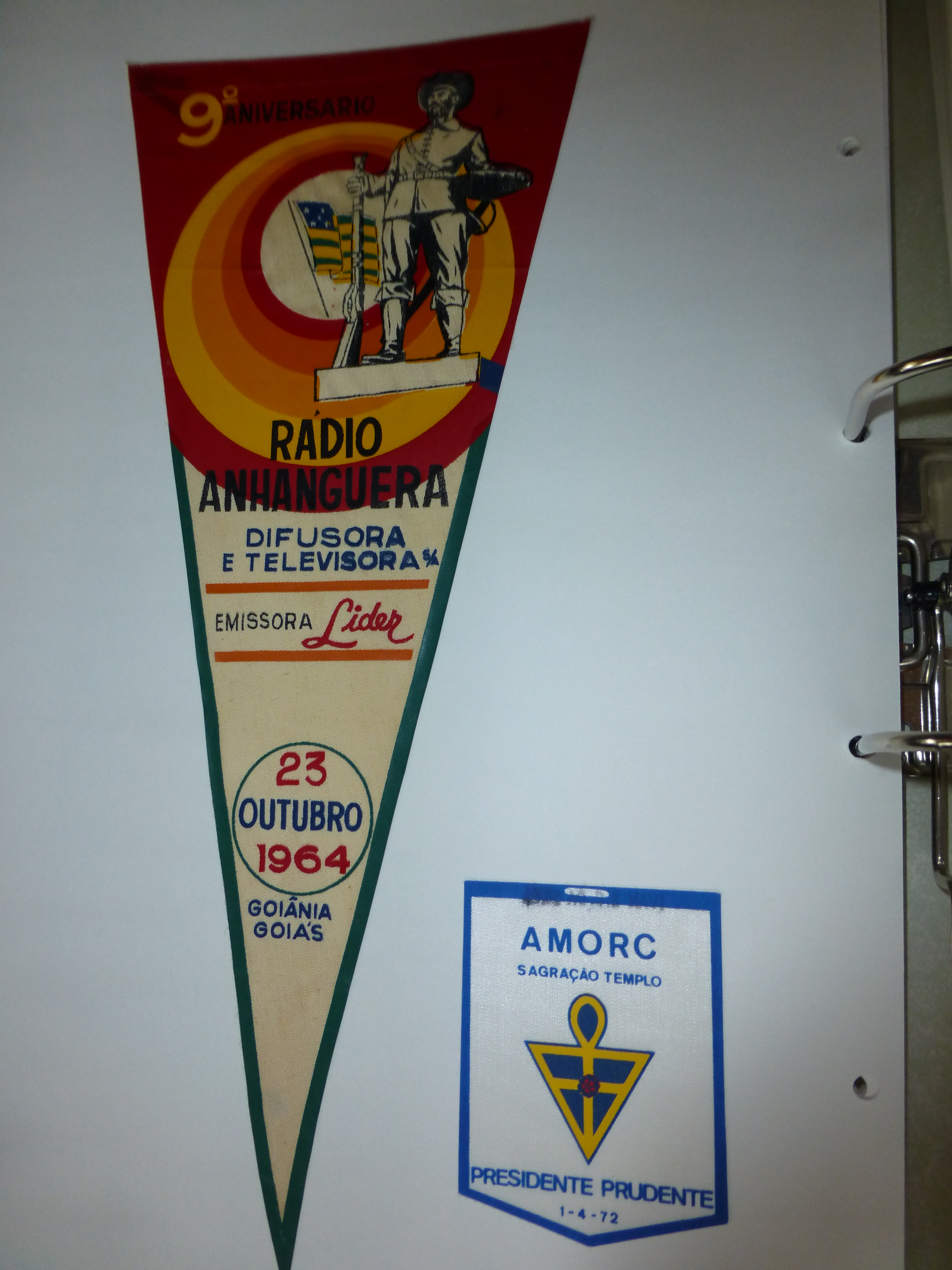
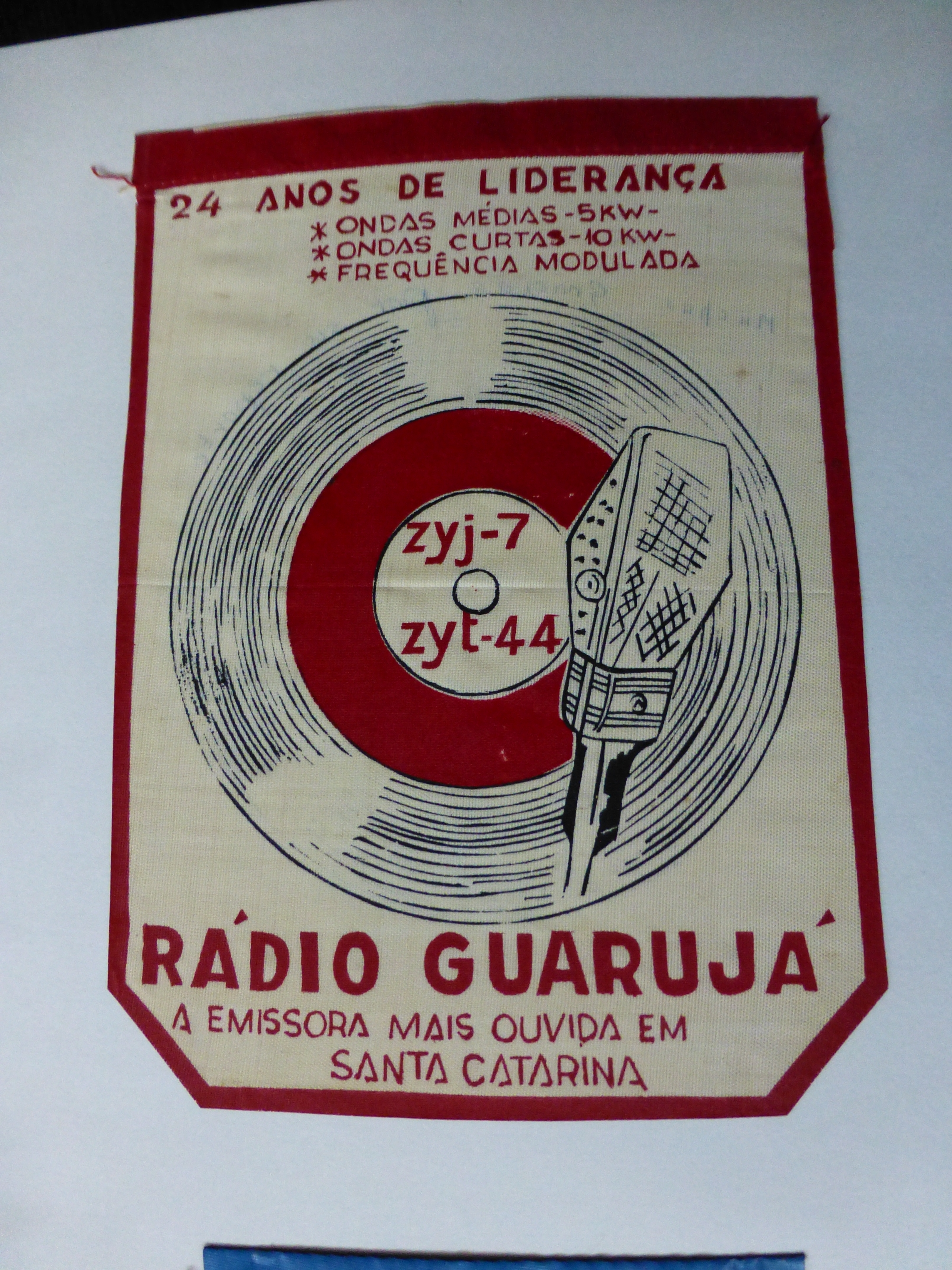
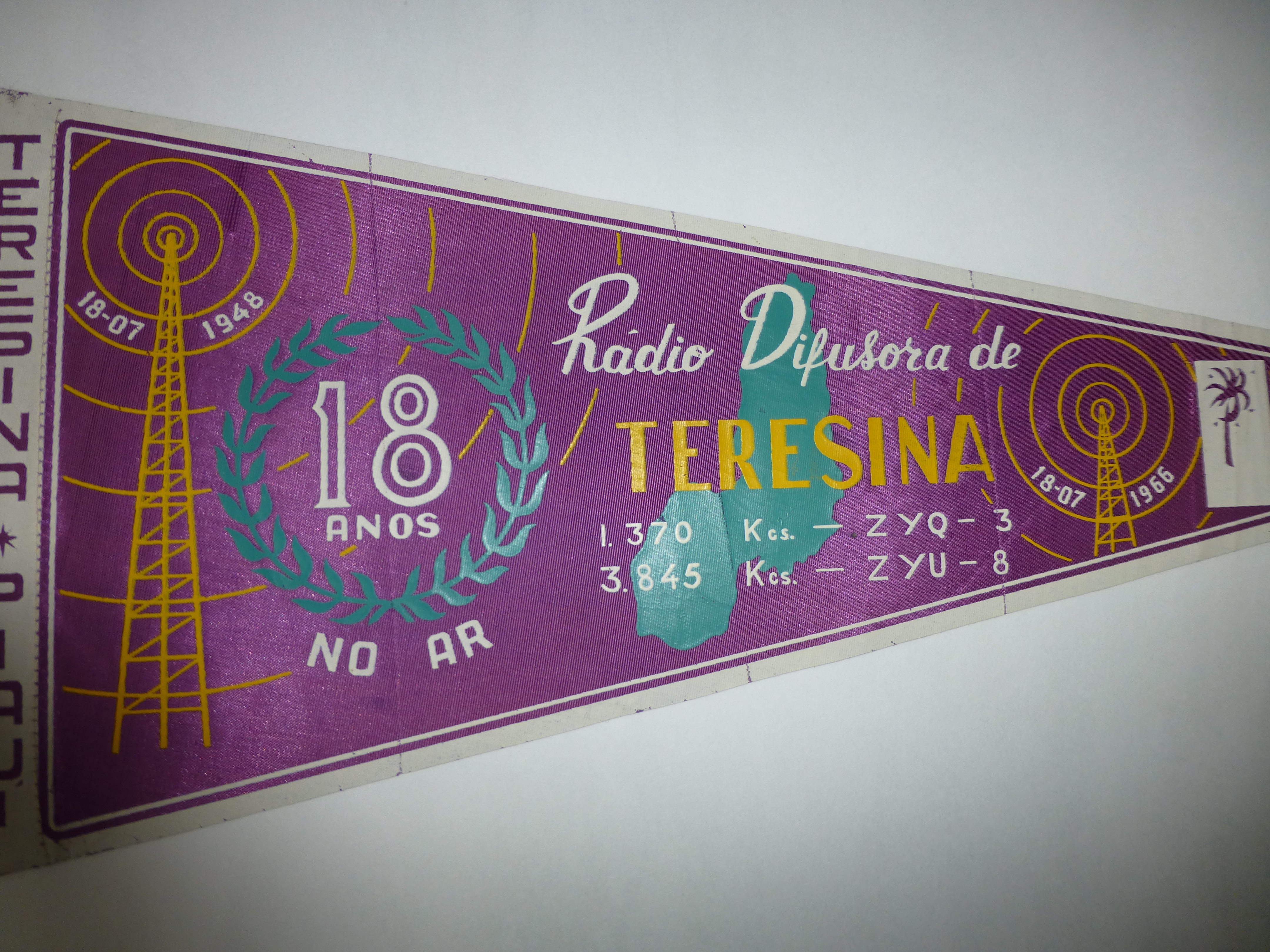
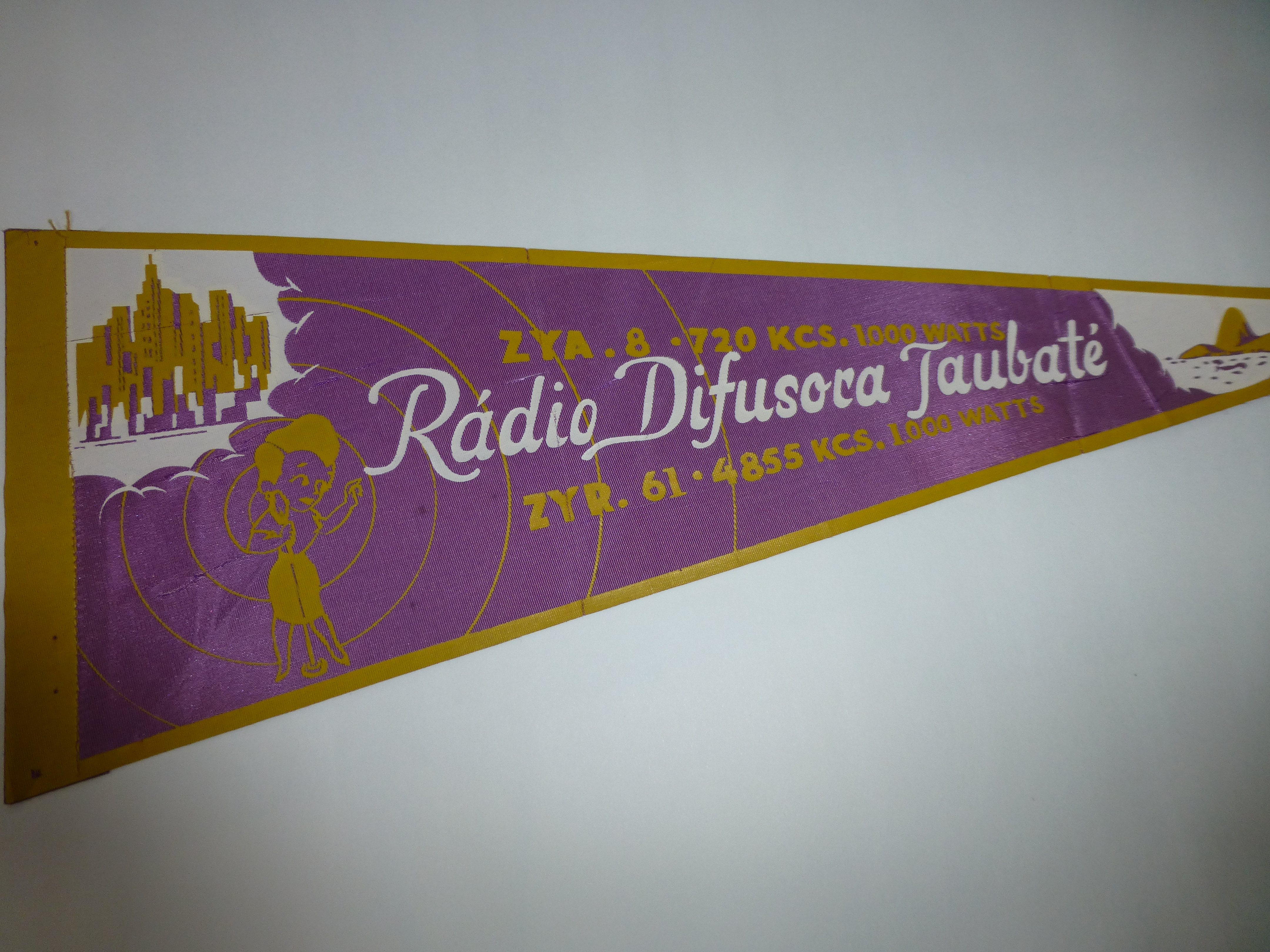
The following stations are represented; R Bandeirantes 11925; R Inconfidencia 6010; R Alvorada de Londrina 3335; R Anhanguara 4915; R Guarujá 5980; R Brasil Central 4995; R Tamandaré 3265; R Difusora de Teresina 4845; R Difusora Taubaté 4855; R Uirapurú de Fortaleza 1360; Emissora Rural 5025; R Liberdade de Caruarú 1470; R Industrial de Juiz de Fora 4925. All of the below pennants received during the 60’s.
The continuing story of LA pennants will continue.



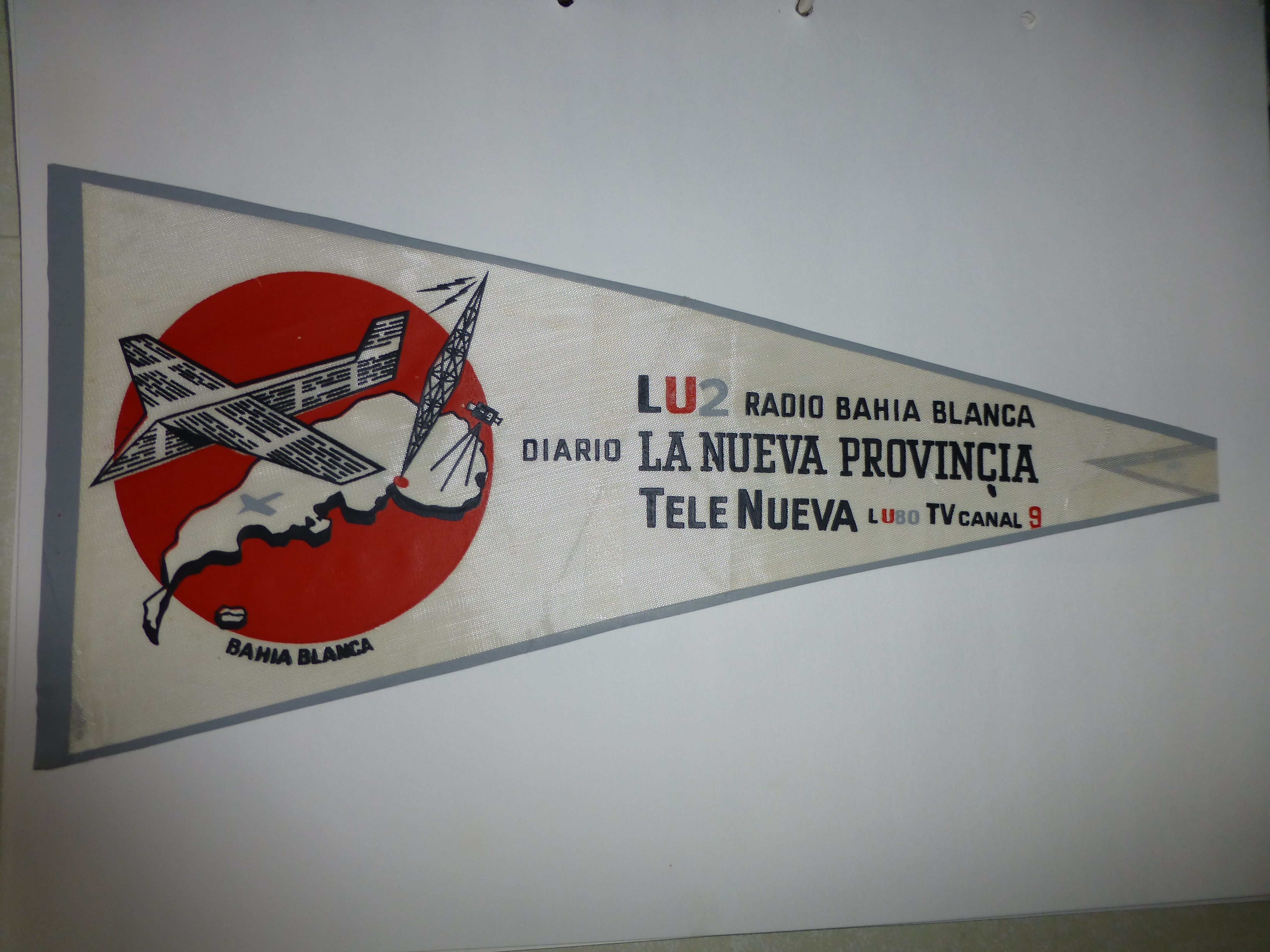
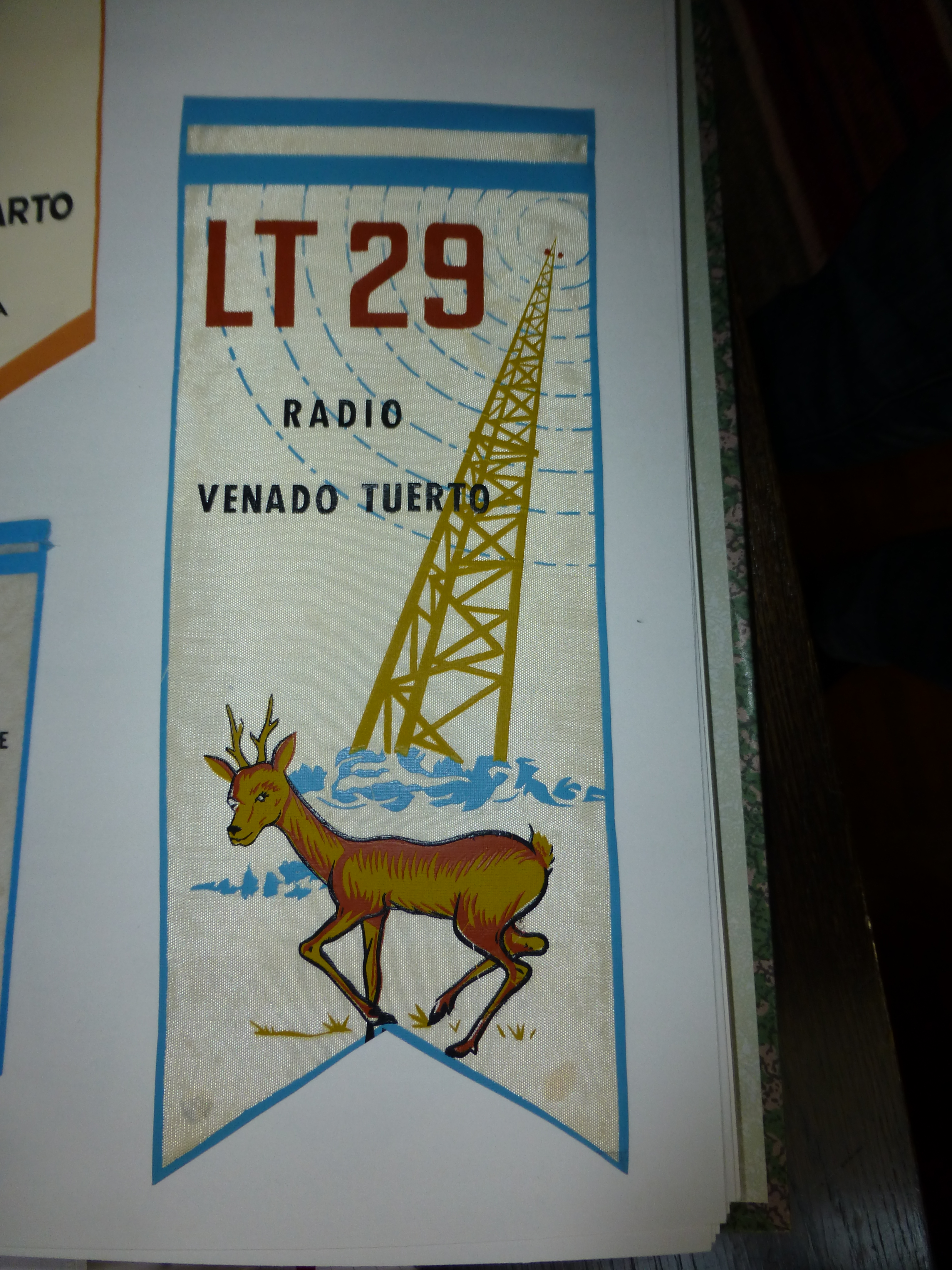
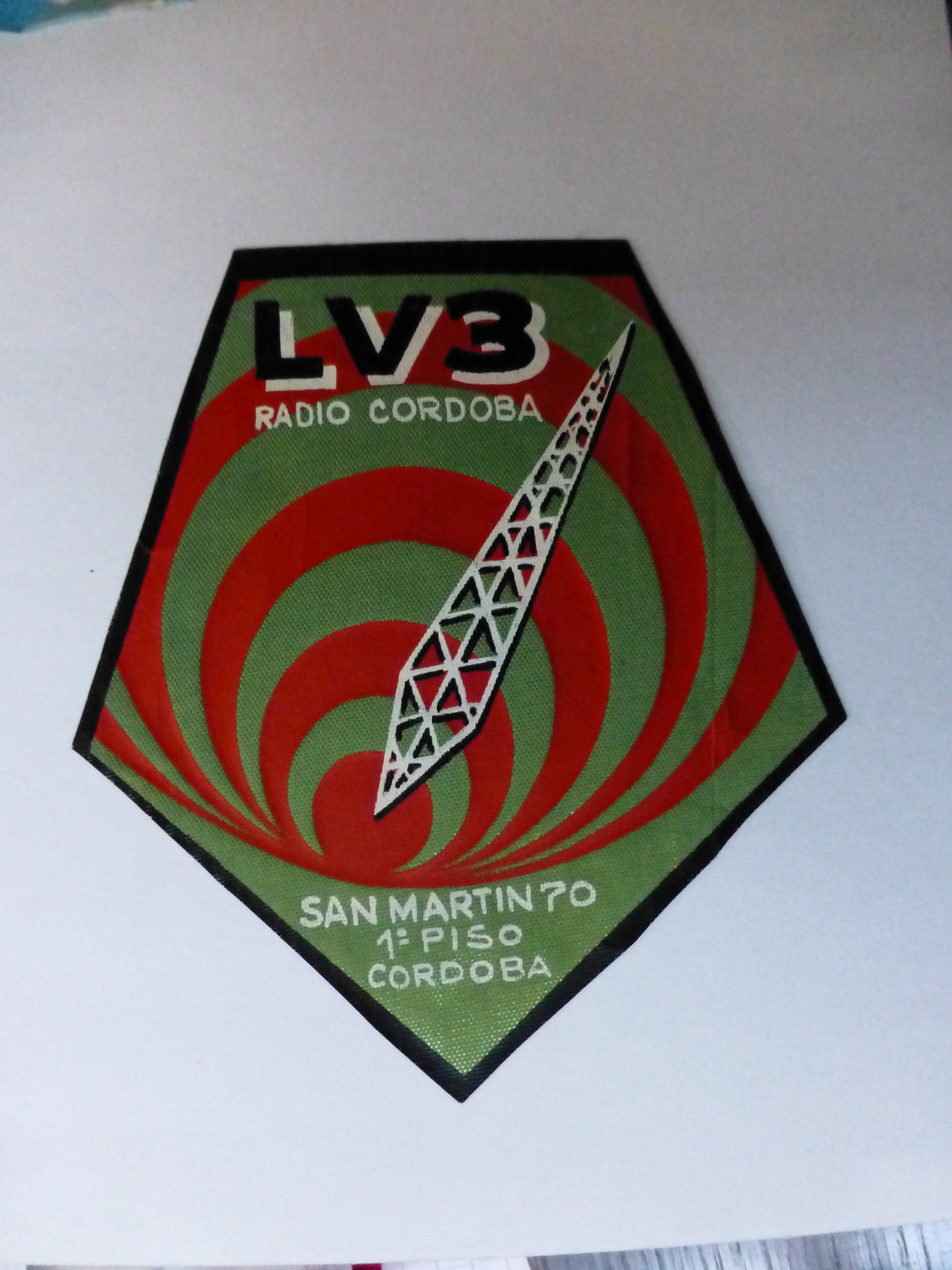
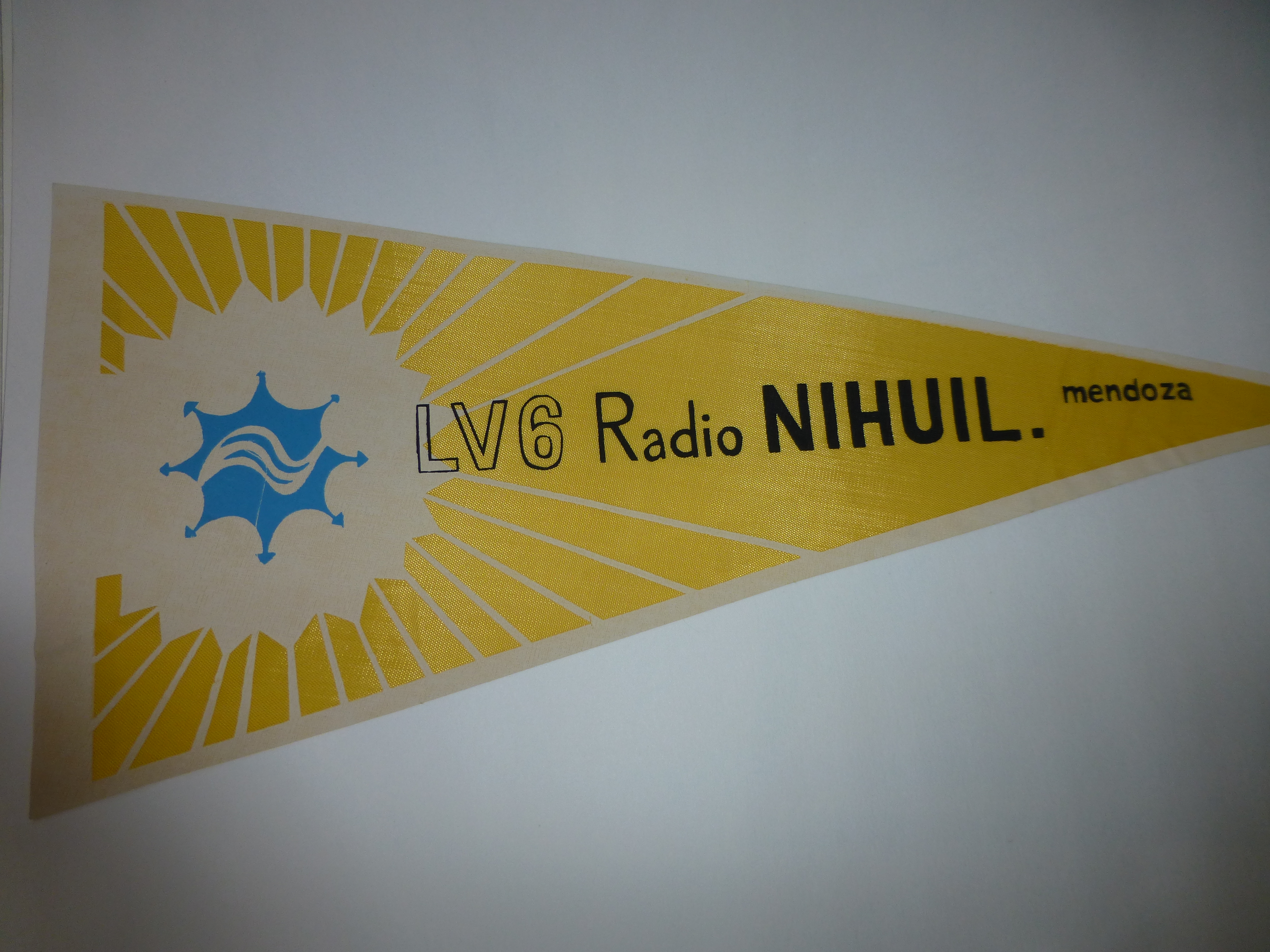
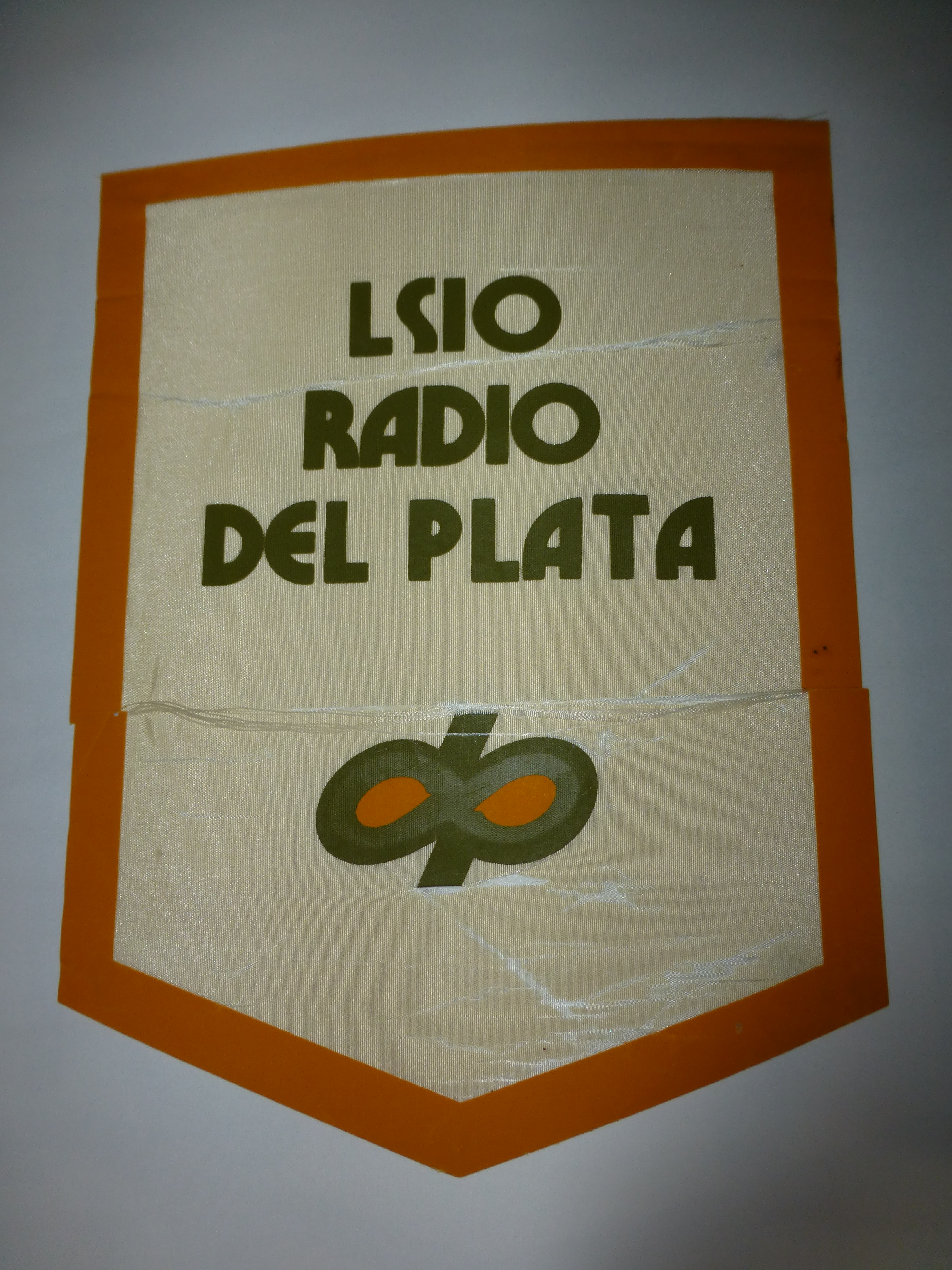
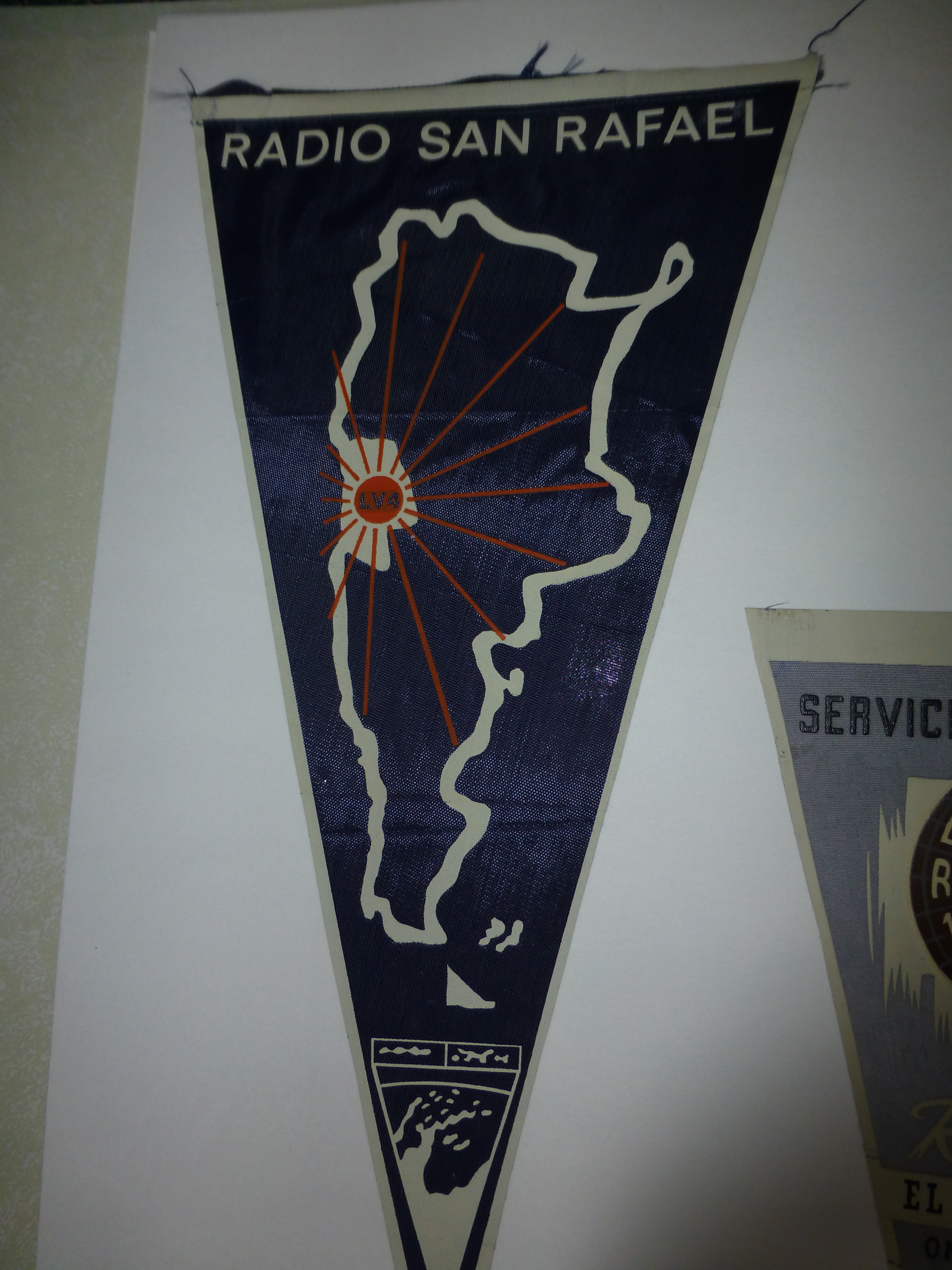
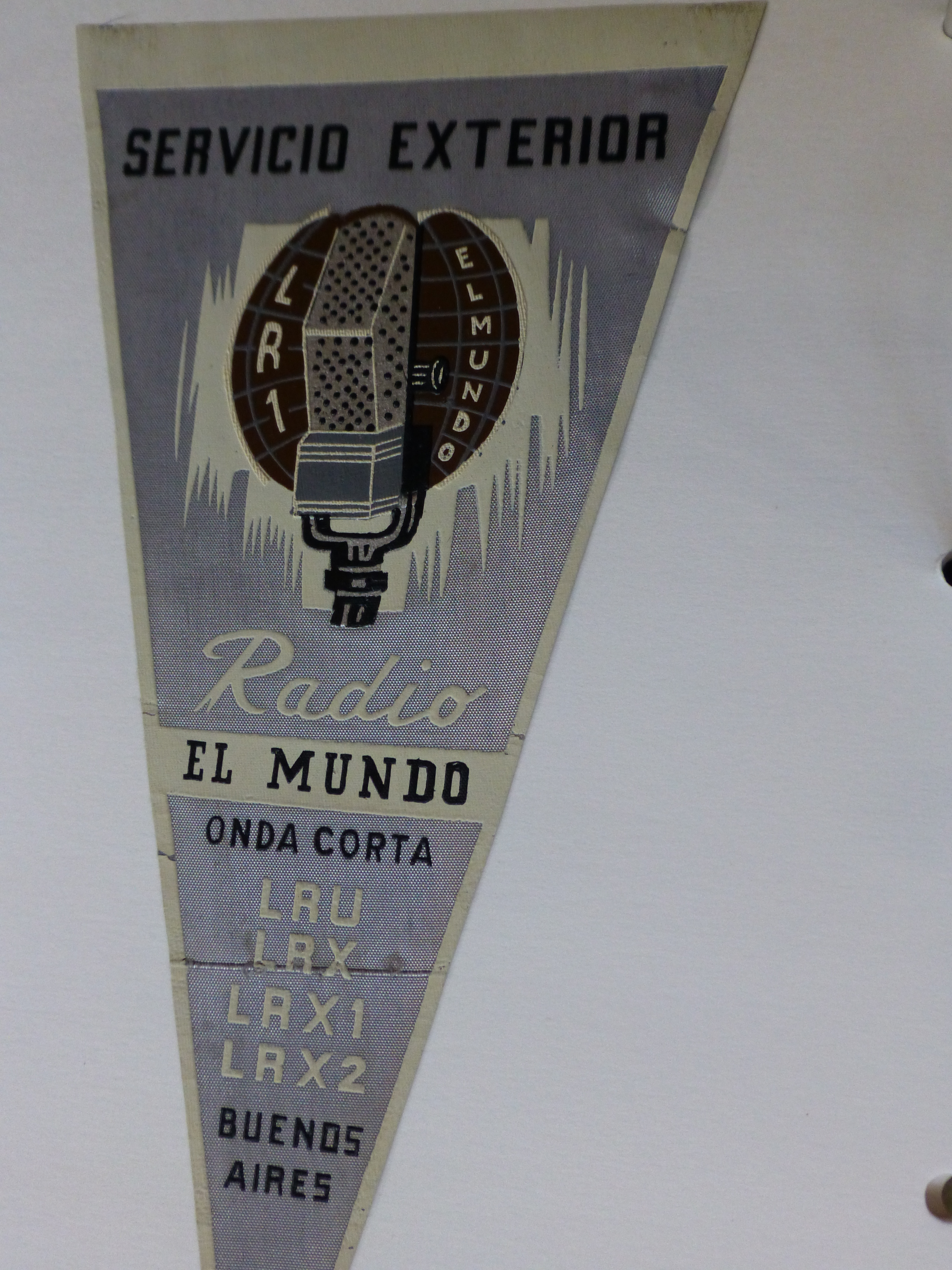
During the 60’s and 70’s many Argentinian stations were kind enough to include a pennant as a souvenir. Times has changed.
The pennants below come from:
R Cordoba 1210; R Bahia Blanca840; R Rio Cuarto 1010; R Del Sur 1080; R Venado Tuerto 1460; R Chaco 1150; R Splendid Rosario 1210; R Cordoba 1210; R Nihuil 680; R del Plata 1030; R San Rafael 1170; R El Mundo 1070; R San Nicolas 1430. Frequencies given are the ones applicable during earlier years.






 americadx